Best iPhone casino apps in Australia: the offshore browser model and what it costs you
 Available in AU
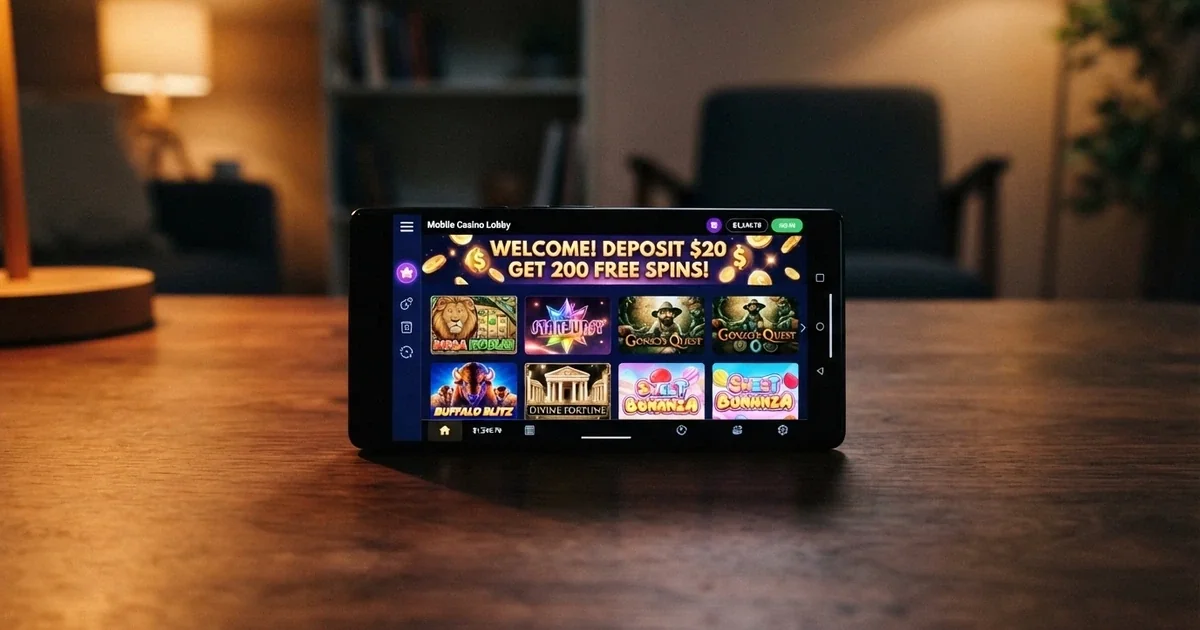
An Australian who types “casino app” into the App Store today is looking for a product the store does not sell, and the law is why. Online casino, online pokies and in-play betting are prohibited in Australia under the Interactive Gambling Act 2001 — there is no licence to issue, no body to issue it, and no way for a real-money casino app to land on an Australian iPhone through the official channel. What an iPhone user actually finds in this category is one of three things: free-play social casino apps that use virtual coins and never pay real money, mobile browser sites run by offshore operators, or PWA shortcuts that put a casino icon on the home screen without ever going through Apple’s review. The third is the closest the market comes to a “casino app” for Australians, and the page below is about that market, the bonuses it advertises, and what an Australian player gives up by using it.
The data behind every figure on this page is current as of 18 October 2026, with licence claims verified against the ACMA register and operator terms pages where the page references specific offers.
- Your iPhone is ready — Australia’s laws are not
- 10 offshore casinos Australians play on from an iPhone in 2026
- RocketPlay
- SkyCrown
- Royal Reels
- WinSpirit
- Stake
- Rainbet
- Scream Casino
- FairGO
- Bizzo Casino
- Rocket Casino
- Real-money pokies that actually run on an iPhone screen
- Free-play apps: the pokies that ask for nothing
- Why your 2026 iPhone casino bonus costs more than it pays
- Getting money in and out from Australia
- Crypto casinos: the payment method Australia banned that offshore sites still take
- Every casino app on this page is offshore — here is what that costs you
- Staying in control when the Australian safety net stops at the border
- How we chose and ranked these iPhone casino platforms
- What your iPhone casino decision actually comes down to
- Frequently asked questions
Your iPhone is ready — Australia’s laws are not
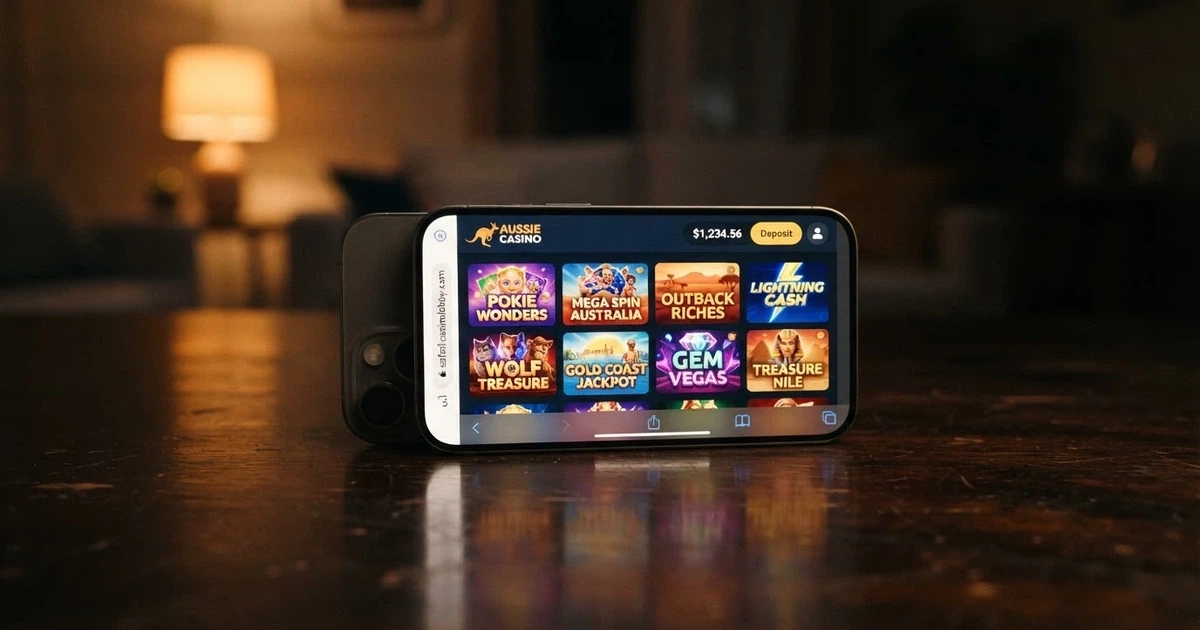
The Interactive Gambling Act 2001, strengthened by the Interactive Gambling Amendment Act 2017, makes it an offence to provide a prohibited interactive gambling service to a person physically in Australia. The offence sits on the operator, not the player. The Act covers online casino games, online pokies and in-play sports betting — three products that together make up almost everything an iPhone casino app would offer. Because the providing of the product is what the law targets, the ban works upstream: a casino that wants to distribute through Apple’s Australian App Store would need a regulator willing to sign off on a product the regulator has no licence class to offer. None exists, and the App Store therefore carries no real-money casino app in the AU storefront. The minimum age for any commercial gambling in Australia is 18, and that floor applies whether the app is real-money offshore or play-money social. Search the store and what you find instead are social casino apps, free-play slots and the kind of “Vegas” experience that runs on virtual coins, with the small print that says so.
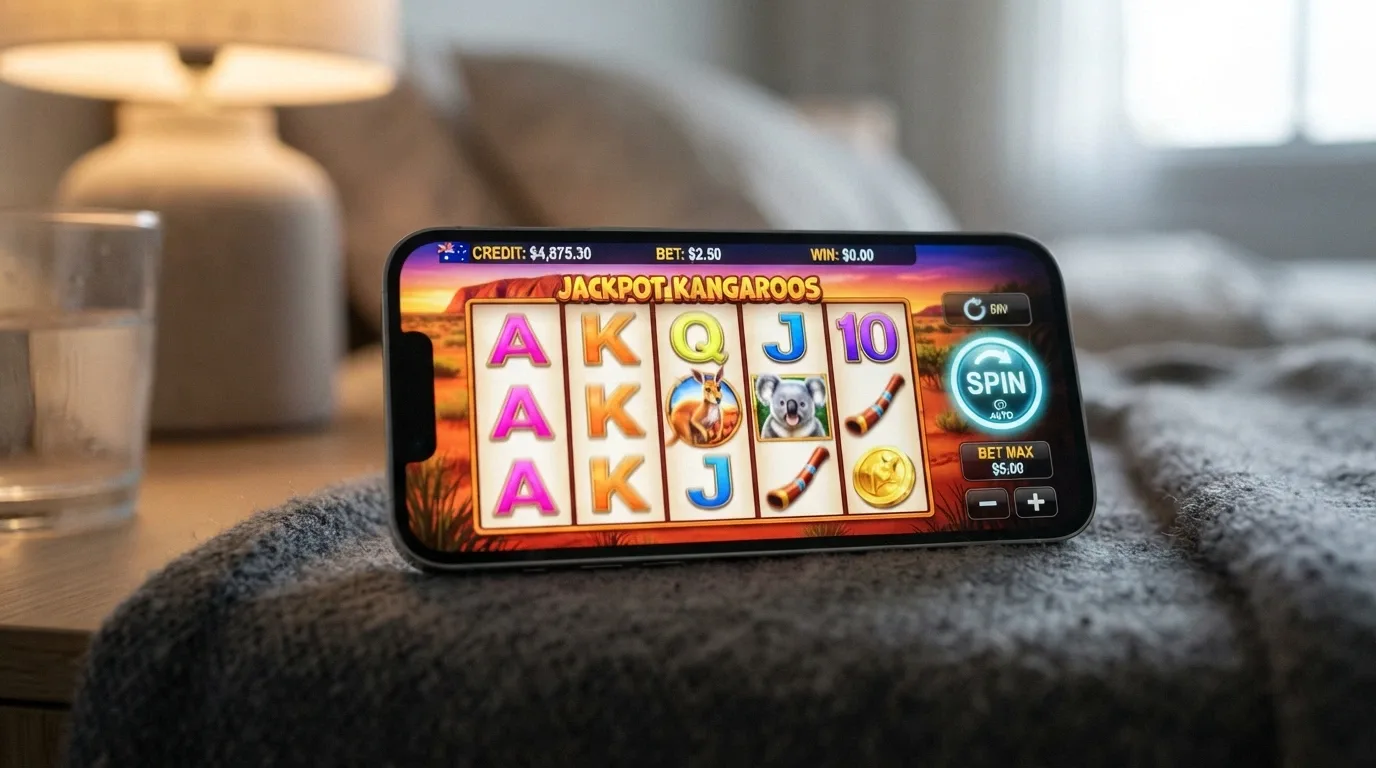
That is the legal frame. What it means in practice is that Australians who want to play real-money casino on their iPhone do it through a browser tab. The model is universal, and the rest of this page is built on it.
Why the App Store has zero real-money casino apps for Australians
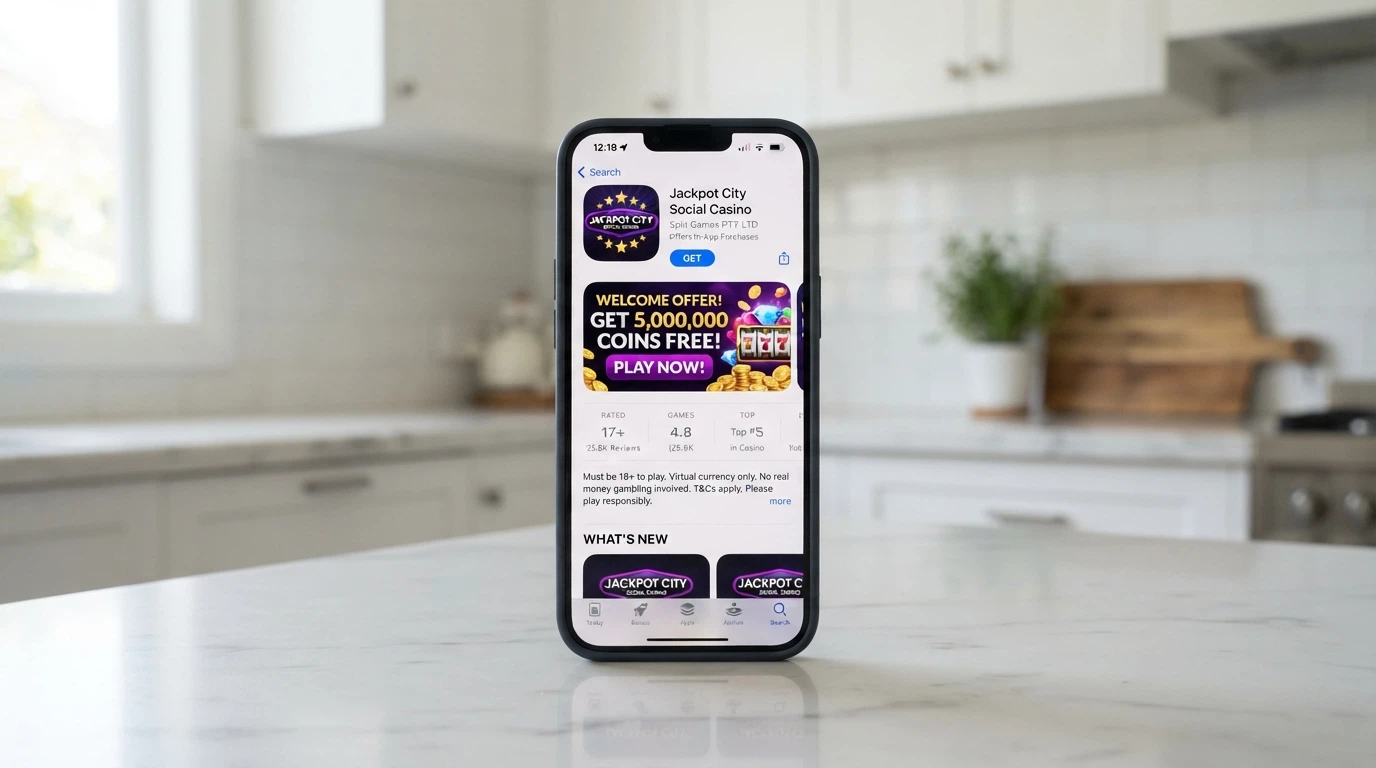
The IGA is a provider offence, not a player offence. The casino that offers real-money play to someone in Australia is the one breaking the law, which is the same casino that would have to submit an iOS app to Apple for distribution. Apple operates a country-specific storefront and a country-specific compliance review; an operator cannot simply file an offshore-licensed casino app under a “global” tag and expect Apple to let it into the AU market. Apple’s policy in Australia is to remove apps that offer services illegal in the user’s jurisdiction, and the IGA’s prohibition leaves no room for an exception. The result is structural, not accidental. Even if the operator holds a Curaçao or Anjouan licence, the AU storefront will not carry the product. Individual Australian users are not prosecuted under the IGA — the Act targets providers — which is the gap the offshore browser model fills. What an Australian iPhone user actually sees when they search “casino app” in the store is social casino and free-play apps: virtual-coin slots, blackjack trainers, lucky-spin games. They are not pretending to be something else; the disclaimer is in the listing. Jackpot Magic Slots, for example, leads with five million free virtual coins as a welcome offer and states clearly that it does not offer real-money gambling or prizes. The licensed wagering side — sports and racing — does have App Store apps, because wagering on pre-event sport and racing is legal in Australia under state and territory licensing. Those are the only real-money gambling apps an Australian iPhone user will find in the store, and they are not casino apps.
Safari, PWA shortcuts and the browser model: how iPhone casino access actually works
Every real-money casino an Australian accesses on iPhone runs through Safari — or, with a couple of taps, as a PWA-style home-screen shortcut that opens the same site in a borderless window. The browser-based mobile site is the universal access model, and Safari is the recommended browser because the iOS PWA installation path goes through Safari’s share sheet, not Chrome’s. A PWA shortcut puts a casino icon on the home screen, opens fullscreen on tap, and feels close enough to a native app that the difference is invisible until something goes wrong. PWA casino shortcuts on iPhone have documented limitations that real apps do not: background refresh can be interrupted when the OS reclaims memory, multitasking stability is weaker than a native binary, push notifications are limited and inconsistent, the page can force-reload after periods of inactivity, offline support is reduced, and fullscreen behaviour varies across games. None of this makes the casino unusable; it makes the experience rougher around the edges, and the roughest moments tend to come during a long bonus-clearing session where a forced reload drops your place in a wagering-progress counter. Safari is the recommended path not because it is the only option, but because the PWA install flow exists in it natively and the other browsers do not replicate it.
What an Australian iPhone casino session actually looks like
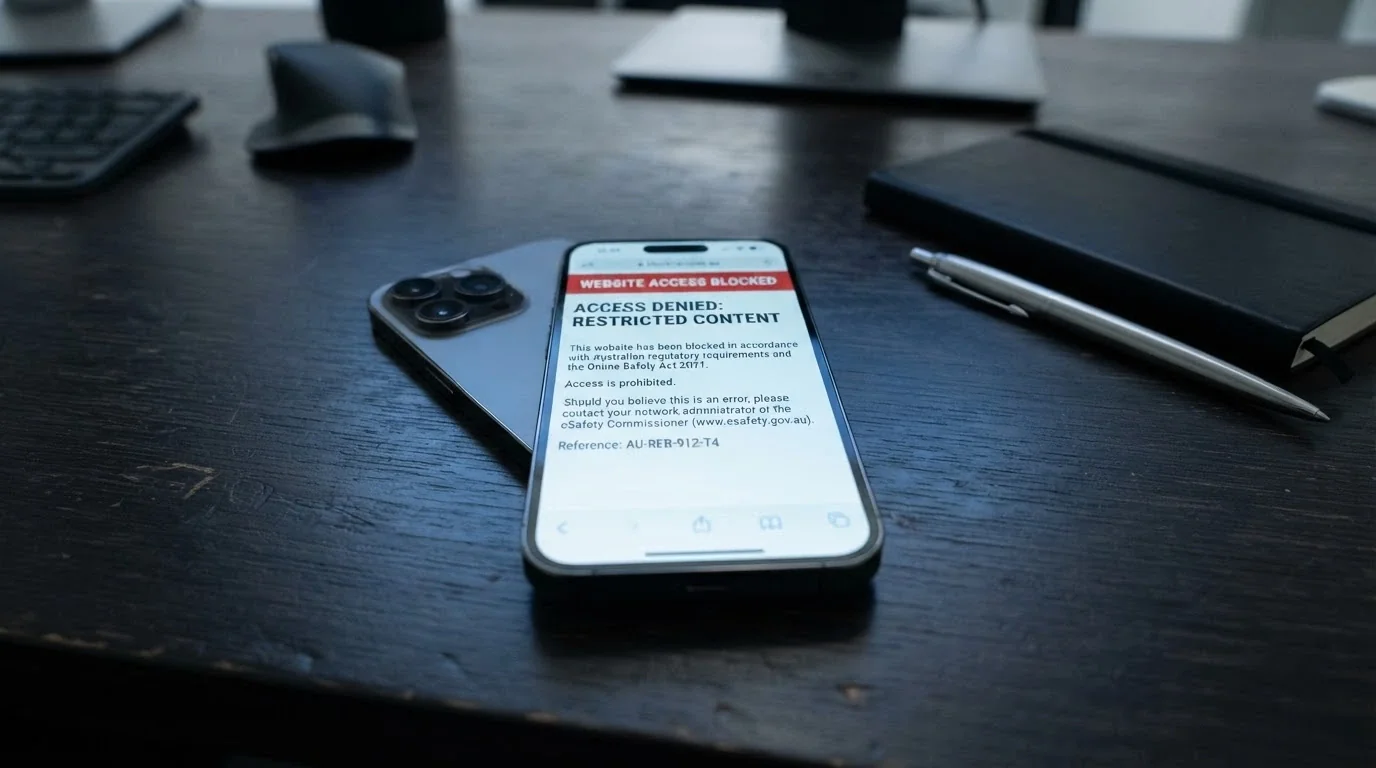
The session is frictionless on the surface and largely unprotected underneath. Sign-up happens in a mobile form, identity fields sit alongside payment fields, and the deposit flow runs through the browser-based cashier — PayID, debit card, crypto, or vouchers depending on the operator. Game load times on iPhone are fast enough that the experience does not feel like a compromise: slots typically load in five to nine seconds and live-dealer tables in eight to twelve seconds on iPhone 12 and 13 hardware, with a 96% success rate across the test sample. Touch controls are tuned for the screen and the games themselves are mobile-first, so the device-side experience holds up. What is invisible during the session is the set of protections that simply do not exist: no BetStop coverage, because BetStop binds Australian-licensed wagering services only and offshore casinos are not connected to the register, no ACMA complaints recourse if the operator refuses a withdrawal, no Australian consumer guarantee, and no guarantee the site will still resolve at the end of the week. The ACMA can and does block offshore sites; the IGA gives it the authority to do so under section 313 of the Telecommunications Act 1997, and any balance a player held on a blocked site becomes a recovery problem that sits outside any local framework.
10 offshore casinos Australians play on from an iPhone in 2026
The list below is built from the operators an Australian iPhone user is most likely to encounter — by traffic, by AU-market advertising spend, by appearing in the search results of someone typing “casino app” into Google from an Australian IP. None of them holds an Australian casino licence, because none can. The two columns worth focusing on are AU Licence Status and Mobile Access. Every entry is offshore, every entry is browser-based, and the table below shows only the two cells the data fills honestly. Bonus figures, wagering terms, game counts and provider names vary by operator and the next ten sections cover the details the table leaves out.
| Casino | AU Licence Status | Mobile Access |
|---|---|---|
| RocketPlay | Offshore (unlicensed in AU) | Browser (Safari/Chrome) + PWA |
| SkyCrown | Offshore (unlicensed in AU) | Browser (Safari/Chrome) + PWA |
| Royal Reels | Offshore (unlicensed in AU) | Browser + iOS optimised |
| WinSpirit | Offshore (unlicensed in AU) | Browser-based |
| Stake | Offshore (unlicensed in AU) | Browser-based, crypto-focused |
| Rainbet | Offshore (unlicensed in AU) | Browser-based |
| Scream Casino | Offshore (unlicensed in AU) | Browser-based |
| FairGO | Offshore (unlicensed in AU) | Browser-based, AU-focused |
| Bizzo Casino | Offshore (unlicensed in AU) | Browser-based |
| Rocket Casino | Offshore (unlicensed in AU) | Browser-based |
A few things the table is honest about. Where the operator’s terms page did not surface in this verification pass, the row carries no bonus figure rather than a fabricated one. The licence column shows the legal reality — there is no licensed Australian online casino to populate it with — and the mobile access column confirms what the rest of the page already established: every operator on this list runs in the browser, with PWA shortcut installation available on the two operators whose mobile setup is documented in primary sources. The next ten sections handle each operator in the order the table presents them.
RocketPlay
RocketPlay is a Curaçao-licensed platform with a slot library of 3,000+ titles and a first-deposit bonus of 100% up to A$1,000 plus 100 free spins, available on a minimum deposit of A$30. The wagering requirement is 40x on both the cash bonus and any free-spin winnings — the same multiplier applies to both, which is the cleaner of the two structures offered in the featured set. The package extends to a second-deposit 200% boost, with the total welcome package capped at A$2,000 + 100 free spins, and the second deposit carries a higher A$75 minimum against the first deposit’s A$30. Bonus validity runs five days from receipt — tight, and shorter than the SkyCrown window by a factor of almost three. The maximum bet during wagering is A$7.50 per spin or hand, and a stake above that line during the clearing period is the kind of breach that voids the bonus and any winnings from it. The game library is anchored by Pragmatic Play and BGaming, with other providers filling out the catalogue, and slots contribute 100% toward wagering while live games contribute 5% — with certain live game shows contributing 0%. That contribution gap is the structural reason a live-dealer player is going to take much longer to clear a bonus than a slot player, and the section on bonus terms later in this page runs the arithmetic on what that means in real time.
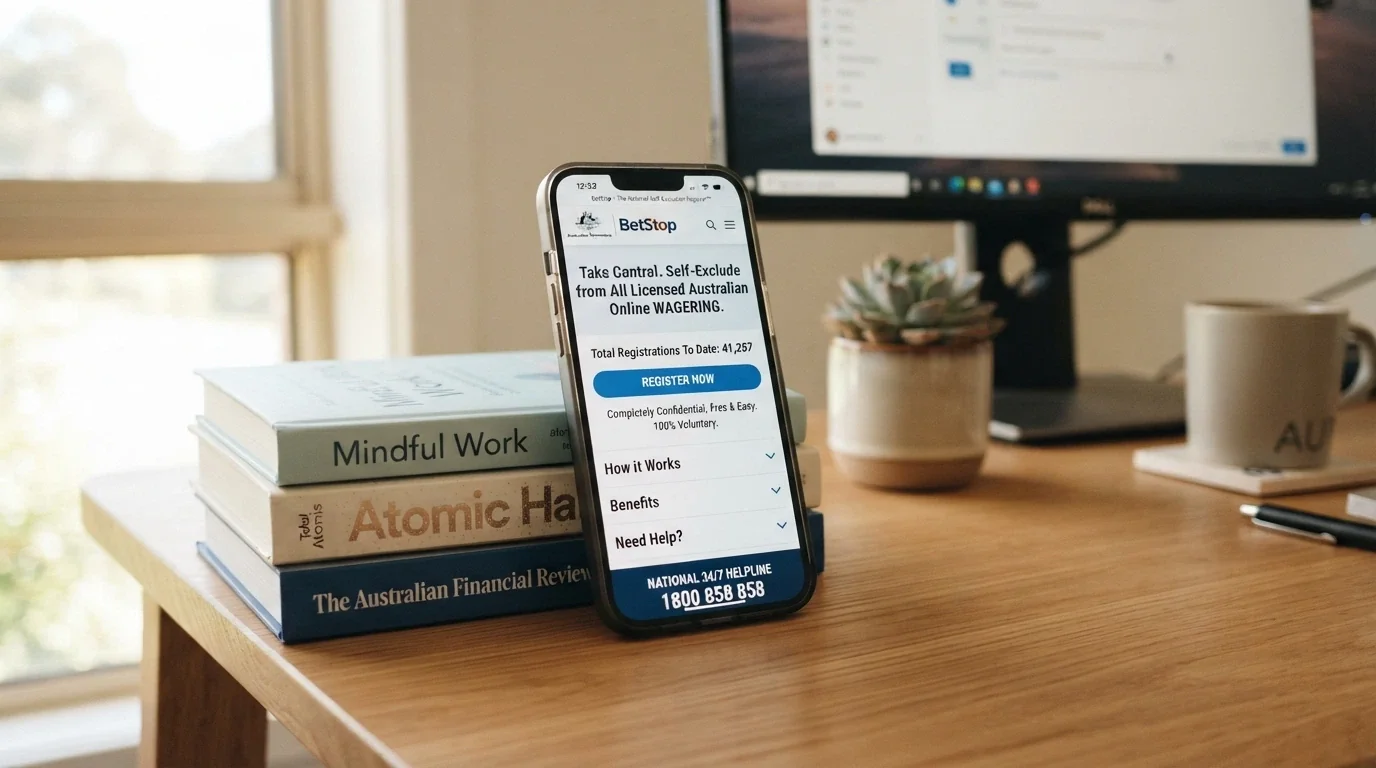
The verdict on RocketPlay: the bonus headline is large, the wagering is the standard 40x the offshore market charges, and the five-day window is the part that decides whether the offer has value. A player who can run A$40,000 in slot turnover in 120 hours is a player who probably does not need the bonus. For everyone else, the window is the constraint, not the wagering multiple.
SkyCrown
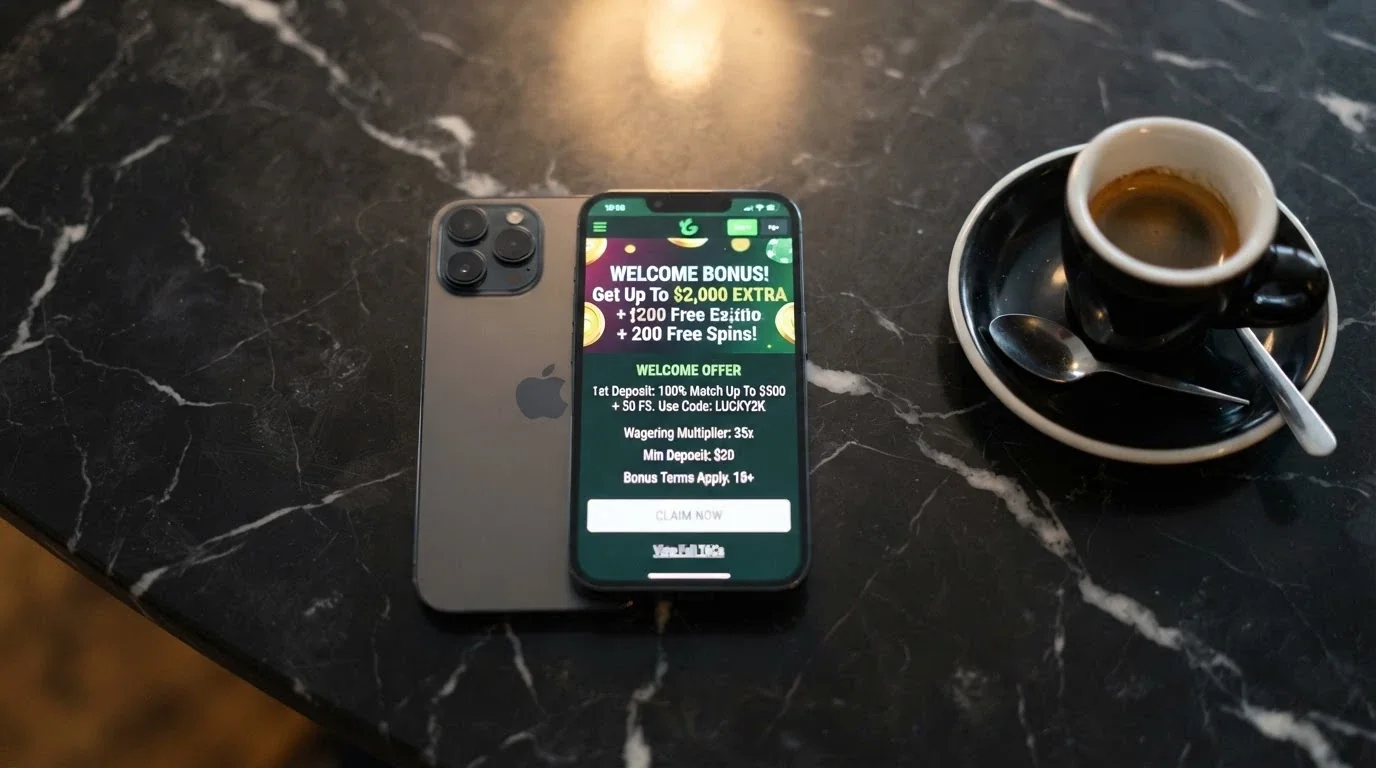
SkyCrown holds a Curaçao licence and runs the largest slot library in the featured set at 7,000+ titles, with Pragmatic Play, BGaming and Play’n GO confirmed among the providers. The first-deposit offer in the Australian market is 120% up to A$1,200 plus 125 free spins on a minimum A$30 deposit, with 40x wagering on the bonus funds and a separate 30x on the free-spin winnings — a split structure that costs the player slightly less on the free-spin side. The total welcome package runs up to A$8,000 + 400 free spins across four deposits. Bonus validity is 14 days from receipt and the maximum bet during wagering is A$5 per spin or hand — lower than RocketPlay’s A$7.50 ceiling, which means a player has less room to clear the bonus quickly. Free-spin winnings carry a 10x bonus value cap: a A$20 free-spin bonus caps cashout at A$200 from the spins, with anything above clawed back at withdrawal. SkyCrown also runs a no-deposit bonus of 20 free spins on Aztec Clusters, with 25x wagering and a A$25 maximum win — a small genuine offer, no deposit required, but with a tight ceiling.
The verdict on SkyCrown: the package is larger than RocketPlay’s and the validity window is three times the length, which puts the wagering terms within reach of a player with a normal session cadence. The 10x free-spin cashout cap and the A$5 max bet are the friction points, and the no-deposit 20 free spins are the kind of offer worth claiming precisely because they cost nothing to test.
Royal Reels
Royal Reels is an offshore brand that markets itself as iOS-optimised for Australian players, with browser-based access that the operator describes as mobile-first. The brand surfaces regularly in the AU search results, which is the reason it appears here, and the fact that the welcome offer and its specific terms did not surface for verification in this pass is the reason the entry reads qualitatively. The minimum every reader should do before depositing is open the operator’s own terms page, read the bonus section, and check the licence footer for the jurisdiction named there. The licence jurisdiction and the bonus terms are the two cells that decide whether an offshore casino is worth the risk, and at Royal Reels they are the two cells the page cannot fill from a primary source. The same caveat applies to every operator below this line in the table, and the pattern is worth naming once rather than repeating: where a row’s verification status is “not confirmed this run”, the row is on the page because the brand is in the Australian search results, not because the brand has been audited.
The verdict on Royal Reels: an iOS-optimised offshore brand with an Australian audience and a verification gap. The fact that the site is built for the device does not change the fact that no Australian licence exists behind it, and the terms are the part a player has to read for themselves.
WinSpirit
WinSpirit is a browser-based offshore casino with Australian-market presence, surfaced here because it appears in the search results of an Australian user looking for iPhone casino play. The licence jurisdiction and the bonus terms were not confirmed in this pass, which is the honest state of the verification. The same rule applies: open the licence footer, find the regulator named there, and check that regulator’s register before depositing. “Browser-based” means the experience is a Safari tab or a PWA shortcut, and the section earlier in this page on PWA limitations is the right place to look for what that experience actually delivers on iPhone. WinSpirit’s market presence in Australia is real — that is why the brand is on the page — but the terms behind the welcome offer are not data the page can carry forward without confirmation.
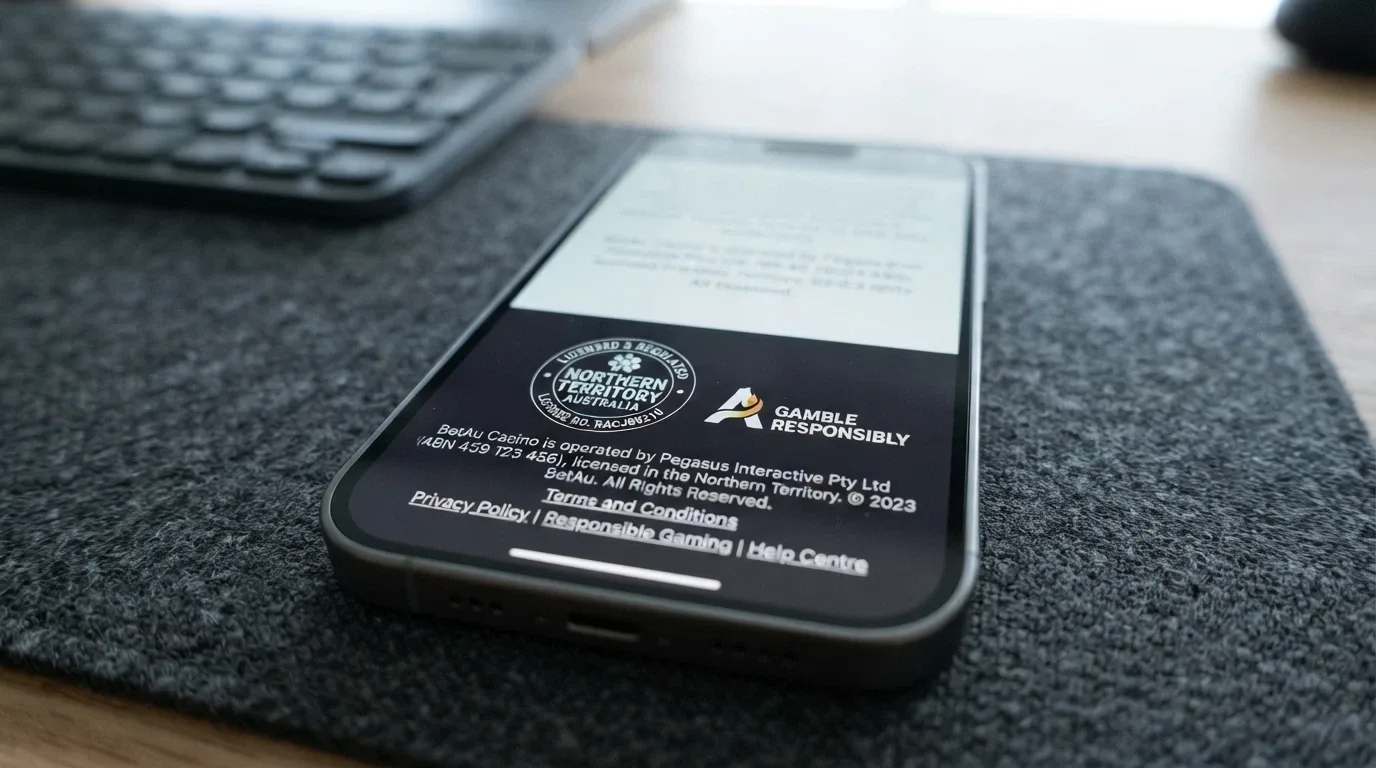
The verdict on WinSpirit: an offshore browser-based casino with an Australian audience. The brand’s presence in the market is not the same as the brand’s terms being on the page, and the terms are the only thing a player signs up against.
Stake
Stake is the crypto-native operator in the featured set: Curaçao-licensed, browser-based, and built around deposits and play in Bitcoin, Ethereum and other digital currencies. The brand sits at the intersection of two Australian rules, both of which the offshore model ignores. The first is the payment ban: since 11 June 2024, the Interactive Gambling Amendment (Credit and Other Measures) Act 2023 has banned credit cards, credit-related products and cryptocurrency as payment for online wagering in Australia, with penalties of up to A$247,500 for operators that fail to enforce it. The ban applies to Australian-licensed wagering. Stake is not Australian-licensed, accepts crypto, and the Australian player who deposits Bitcoin at Stake is using a payment method their own country has ruled out of the legal wagering market — and routing it offshore to keep using it. The second rule is the player-protection gap: no Australian consumer protection, no BetStop coverage, no ACMA complaints recourse if a withdrawal stalls. The anonymity trade-off runs the other way too: a crypto deposit leaves no bank record, which means no chargeback, no Section 313 blocking-triggered freeze from an Australian bank, and no statement-of-claim path if the operator declines a withdrawal. The terms of the welcome offer at Stake were not confirmed in this pass.
The verdict on Stake: the operator that lets an Australian do the thing Australia has banned them from doing through licensed channels, with the trade-off being every protection that local licensing exists to provide. Crypto-native, browser-based, and the cleanest example on this page of why “offshore” is a feature for some players and a cost for everyone else.
Rainbet
Rainbet is an offshore casino with browser-based iPhone access, included as it is visible in local search results. The licence jurisdiction and the bonus terms were not confirmed in this pass, which is the verification state the entry has to ship with. The advice is the same advice the rest of the unconfirmed rows carry: open the licence footer, find the regulator named there, and verify the licence is current. The mobile access model is browser-based, the same model the whole featured set shares, and the section earlier in this page on the browser model is the right place to look for what that delivers on iPhone hardware.
The verdict on Rainbet: an offshore brand with browser-based access and a verification gap. The brand is in the market; the terms are not on this page, and the terms are what matters.
Scream Casino
Scream Casino is an offshore browser-based casino with an Australian audience and a name that does the marketing the licence cannot. The welcome offer and the licence jurisdiction were not confirmed in this pass — the same verification state that applies to several rows in the table, and the same advice on what to check before depositing. The page is being honest about what it does and does not know: the brand is on the page because Australian iPhone users see it in the search results, and the verification gap is named rather than papered over.
The verdict on Scream Casino: an offshore brand with no confirmed terms. The licence footer and the bonus terms page are the only two things a player needs to read before signing up, and they are the only two things this page could not verify for this entry.
FairGO
FairGO is the brand on the list that reads most Australian in its name and least Australian in its licence. The operator is offshore, browser-based, unlicensed in Australia — the AU-focused branding is a marketing position, not a regulatory one, and the difference is the page’s whole subject. The welcome offer and the specific licence jurisdiction were not confirmed in this pass, and the pattern is the same as the other unconfirmed rows: the brand is here because it shows up in the Australian search results, the terms are not data the page can carry forward. The marketing implication is the interesting part: an Australian-focused brand has every reason to brand itself as local and almost no incentive to disclose the offshore status in the marketing. The fact that a brand speaks fluent Australian does not mean an Australian regulator is on the other end of the licence.
The verdict on FairGO: the name says local, the licence says offshore. The branding is for marketing, the licence is for protection, and the two are not the same.
Bizzo Casino
Bizzo Casino is a Curaçao-licensed offshore platform with browser-based iPhone access and an Australian audience, on the page because the brand is in the AU search results. The welcome offer and the game-library specifics were not confirmed in this pass, which is the honest state. Curaçao is a real licence, and the brand is named here as Curaçao-licensed because the licence jurisdiction was confirmed in the operator’s own footer; the rest of the row is unverified, and the row says so. The “offshore” status carries every protection gap the rest of the page has documented, and a Curaçao licence does not narrow that gap for an Australian player.
The verdict on Bizzo Casino: a Curaçao-licensed offshore platform with a confirmed licence jurisdiction and a verification gap on the bonus terms. The licence is the part a reader can check; the bonus is the part a reader has to read on the operator’s own terms page.
Rocket Casino
Rocket Casino is a browser-based offshore casino, the last of the ten entries, on the page for the same reason the unconfirmed rows above are: the brand is in the Australian search results. The licence jurisdiction and the welcome offer were not confirmed in this pass, and the same advice applies. The browser-based mobile access model is the same as the rest of the featured set, the offshore status is the same as the rest of the featured set, and the verification gap is named in the row rather than filled with a number the page does not have.
The verdict on Rocket Casino: an offshore browser-based casino with no confirmed terms. The brand is on the page because the market has it; the verification gap is on the page because the page will not invent a number to fill it.
Real-money pokies that actually run on an iPhone screen
Pokies — the Australian word for slot machines — dominate the mobile casino experience, and the iPhone is the device most offshore casinos design for first. The two distinct experiences an Australian iPhone user will run into are RNG slots (pokies, in the local vocabulary) and live-dealer tables, and they are not the same product on the device. RNG slots are touch-optimised, load in five to nine seconds on iPhone 12 and 13 hardware, and run smoothly even on a phone a couple of years old. Live-dealer tables are streaming video: a human dealer on the other end, a real wheel or a real deck of cards, and the data cost of receiving a video feed that does not pause. Live tables load in eight to twelve seconds, which is fine for the first hand and adds up to a heavier session over time. The wagering contribution gap between the two is the part that matters for bonus play: at RocketPlay, slots contribute 100% toward the wagering requirement while live games contribute 5% and certain live game shows contribute 0% — meaning the same A$10 bet on a live table clears a tenth of what the same A$10 bet clears on a slot, and the gap is multiplied by every spin in the session.
Slots and pokies: what the game library actually holds
The featured set carries between 3,000 and 7,000+ slot titles, with the size split between RocketPlay’s 3,000+ and SkyCrown’s 7,000+. The confirmed provider mix across the two operators is Pragmatic Play, BGaming and (at SkyCrown) Play’n GO — three providers whose games are widely certified by independent testing labs and whose RTP disclosures sit on the provider’s own site. Library size says nothing about RTP transparency, and that is the part an Australian iPhone player has to look for. A library of 7,000 titles with no per-title RTP published is a marketing figure, not a transparency claim, and a library of 3,000 with published RTPs is the more useful product. The “pokies” category is the Australian vocabulary for what the international market calls slots; the games are the same, the words are different, and the Australian iPhone player searching for “pokies” will see the same catalogue as someone searching for “slots” in any other English-speaking market.
Live dealer on iPhone: the heavier mobile experience
Live-dealer tables run on iPhone but they are not the lighter option. The load times are longer, the data cost is higher, and the wagering contribution is a fraction of what slots give. A live table that takes eight to twelve seconds to load and contributes 5% to wagering is the slower, more expensive way to clear a bonus — and the same game as an RNG blackjack is the faster, cheaper alternative. The decision a player is making is not “live or RNG” on its own merits; it is whether the live experience is worth the contribution gap. For a player with no bonus to clear, the answer is just about the experience they prefer. For a player who has taken a welcome offer, the answer is a calculation the page works through in the bonus section.
Game providers and what their presence signals
The three providers confirmed across the featured set are Pragmatic Play, BGaming and Play’n GO. A known provider’s presence is a floor, not a ceiling: their games carry independent RNG certification, the RTPs are published on the provider’s own pages, and the games have been audited by the labs the regulators in the providers’ home jurisdictions use. The gap is the providers the page did not surface for the other eight operators, and the gap is what the licence footer is for. A casino’s footer typically lists the testing lab and the licence jurisdiction; the testing lab is the second check, after the licence itself, and the combination of the two is what tells a player whether the games behind the lobby are the games the lab says they are.
Free-play apps: the pokies that ask for nothing
The Australian App Store is full of free-play casino apps, and the legal distinction between them and the offshore real-money sites is the line the IGA draws. A free-play app uses virtual coins, never pays out real money, and sits inside Australian law because the product it offers is not a gambling product. Jackpot Magic Slots is the worked example: 5,000,000 free virtual coins as a welcome offer, an 18+ age requirement, and a disclaimer that says the game does not offer gambling or an opportunity to win real money or prizes. The disclaimer is not a small print technicality; it is the line the app sits behind. The moment a free-play app offered a real-money withdrawal, it would become a prohibited interactive gambling service, and the app would leave the store. The free-play business model is in-app purchases for coin packages, ads, and the social loop of competing with other players on a leaderboard — a different product, a different category, and a different legal frame.
Social casino vs real-money offshore: what separates them
The line is real-currency withdrawal, and the line is the only thing that matters. A social casino app takes money for coin packages and gives nothing back in cash, which is the structure the App Store permits. A real-money offshore casino takes a deposit and offers a withdrawal, which is the structure the IGA prohibits. The free-play section is separate from the real-money ranking for that reason: the audience is different, the legal status is different, the product is different, and the comparison the two invite is between a closed-loop virtual-currency product and an open-loop real-money product. Some real-money offshore casinos offer free-play modes too, and the same line applies: a free-play mode with no cashout is a marketing funnel, and a free-play mode with a cashout is the product the IGA prohibits.
Why your 2026 iPhone casino bonus costs more than it pays
A welcome bonus is a loan against your own future play. The marketing number — “100% up to A$1,000” — is the amount the casino will match on the first deposit, and the wagering requirement is the amount the player has to run through the games before any of it can be withdrawn. A 40x wagering requirement on a A$1,000 bonus means A$40,000 in turnover, and a 40x on both bonus and free-spin winnings means the free spins carry their own turnover on top. The arithmetic is the same for every deposit-match offer in the featured set: the bigger the bonus, the bigger the turnover, the longer the session required to clear it. The bonus-cost calculation in the next sub-section runs through the RocketPlay offer line by line and shows what “A$40,000 in turnover” actually means in time.
The welcome bonus: what the terms actually demand
RocketPlay’s 100% up to A$1,000 + 100 free spins, on a minimum A$30 deposit, at 40x wagering on both bonus and free-spin winnings, with five-day validity and a A$7.50 max bet during wagering. A player who claims the maximum bonus is committing to A$40,000 in turnover in 120 hours, with a per-spin ceiling of A$7.50. The numbers behind the numbers: at the maximum A$7.50 stake, that is 5,333 spins in five days, or about 1,067 spins a day, or 89 spins an hour across a 12-hour waking day. At a more typical A$1 stake on a slot, the same turnover is 40,000 spins in 120 hours — 333 spins an hour, every hour, for five days. SkyCrown’s offer is structured differently: 40x on the bonus funds, 30x on the free-spin winnings, 14-day validity, A$5 max bet. The split structure reduces the free-spin turnover, the longer window gives a normal session cadence room to breathe, and the lower bet ceiling removes the fast-clear option. A player who breaks the max-bet rule during wagering voids the bonus and any winnings from it — that is the part of the terms the marketing does not surface, and the part a player has to read before starting the clock. Validity windows expire at the deadline regardless of where the player is in the wagering progress, and the bonus is forfeit at expiry.
The bonus-cost calculation for the RocketPlay offer, in plain numbers: a player claiming the maximum A$1,000 bonus at 40x wagering commits to A$40,000 in turnover, the kind of play a 96% slot would return A$38,400 on, leaving a net expected loss of around A$1,600 over the clearing period — which is roughly 1.6x the bonus value itself, and the bonus was supposed to be a free A$1,000. The point is the headline says “free money”, the arithmetic says “a more expensive way to play the same slots”, and the gap between the two is what the wagering requirement is for.
Bonus terms head-to-head: RocketPlay vs SkyCrown
The two operators with confirmed bonus data trade off on generosity versus flexibility. SkyCrown gives more bonus money and a longer window, with a lower per-spin ceiling; RocketPlay gives a slightly smaller bonus and a much tighter window, with a higher per-spin ceiling. The table below shows the comparison cell by cell, with the data research confirmed and the gaps left as gaps.
| Bonus Feature | RocketPlay | SkyCrown |
|---|---|---|
| First deposit match | 100% up to A$1,000 | 120% up to A$1,200 |
| Free spins on first deposit | 100 | 125 |
| Wagering — bonus | 40x | 40x |
| Wagering — FS winnings | 40x | 30x |
| Minimum deposit | A$30 | A$30 |
| Bonus validity | 5 days | 14 days |
| Max bet during wagering | A$7.50 | A$5 |
| FS winnings cap | — | 10x bonus value |
| No-deposit offer | — | 20 FS on Aztec Clusters, 25x, A$25 max win |
The trade-off the table makes visible: a player with a long-session cadence and a small stake per spin fits SkyCrown’s window better, and the 10x free-spin cashout cap is the friction point to price in. A player who can run higher per-spin volume and clear fast fits RocketPlay’s window, and the 5-day cliff is the part that punishes a player who underestimates the time cost. The no-deposit 20 free spins at SkyCrown are the only offer in the table that costs nothing to test, and the A$25 cap on winnings is the trade-off for the zero-deposit entry.
Getting money in and out from Australia
The fastest deposit route at an Australian-facing offshore casino is PayID, which clears in seconds through the New Payments Platform and accepts AUD without a conversion spread. Bank transfer and Osko are the next-fastest, typically clearing the same day, with BPAY a slower but still functional option. Debit card is universal at the offshore end; the credit-card ban that took effect on 11 June 2024 under the Interactive Gambling Amendment (Credit and Other Measures) Act 2023 applies to Australian-licensed wagering, and an offshore casino that accepts credit cards is breaking the Australian rules the licensed bookmakers have to follow — which is the part that tells a player the operator is not subject to Australian rules at all. ID verification is required to open a licensed wagering account, and offshore casinos vary on the depth of the check they perform. The friction in the offshore model is on the withdrawal side: same-method-as-deposit is the standard, processing times are operator-dependent, and the only recourse a player has if the operator declines is the operator’s own complaints process. There is no Australian complaints body to escalate to, no local regulator to call, and no consumer-guarantee framework to lean on. From 1 January 2027, Australian banks and payment providers gain express authority to block transactions to illegal gambling operators, which is a payment-side enforcement mechanism that does not exist yet and that will affect the offshore model’s deposit and withdrawal flow once it does.
Crypto casinos: the payment method Australia banned that offshore sites still take
Bitcoin and the altcoins that travel with it are the cleanest example on this page of the gap between Australian rules and the offshore model. The Interactive Gambling Amendment (Credit and Other Measures) Act 2023, in force since 11 June 2024, banned credit cards, credit-related products and cryptocurrency as payment for online wagering in Australia, with penalties of up to A$247,500 for operators that fail to enforce the ban. The ban applies to Australian-licensed wagering. An Australian-licensed bookmaker cannot take a Bitcoin deposit, period. Stake and the other crypto-native offshore casinos in the featured set can and do, because the operator is outside the jurisdiction the ban binds. The trade-off for the Australian player who uses crypto offshore: no bank record means no chargeback, no Section 313 transaction-block trigger, and no statement-of-claim path if the operator declines a withdrawal — and the IGA’s enforcement architecture does not help recover a balance, because the ACMA’s role is to investigate and block, not to mediate a withdrawal dispute. The licensed wagering alternative accepts no crypto; the offshore alternative accepts nothing else. The choice is between the product the rule was written to constrain, and the rules that come with it.
Every casino app on this page is offshore — here is what that costs you
The IGA 2001 makes providing online casino to Australians an offence, and the ACMA has enforced it consistently since the 2017 amendment closed the offshore loopholes. The block count tells the story: 1,788 illegal gambling and affiliate websites blocked since the first blocking request in November 2019, with over 230 illegal services having withdrawn from the Australian market entirely since 2017. The Q1 2026 enforcement data — 422 enquiries and complaints received, around 87% considered valid for further investigation, 25 formal investigations launched covering 60 gambling websites with at least one breach of the IGA identified in 23 cases — is the rhythm the regulator is operating at. The Q4 2025 figures are similar: 23 investigations into 45 sites, 69 breaches, of which 38 were for providing a prohibited interactive gambling service, 26 for providing an unlicensed regulated interactive gambling service, and 5 for advertising. The Q2 2025 figures were 20 investigations, 24 sites, 30 breaches. The pattern is consistent: hundreds of sites in scope, dozens investigated each quarter, a steady cadence of blocking and formal warnings. None of this is a theoretical risk for an Australian iPhone player. The site they are playing on can be on the next blocking list, and the balance they hold on it is a recovery problem that sits outside any Australian framework.
What the ACMA actually does — and what it cannot do
The ACMA’s role is to investigate, warn and block — not to mediate a withdrawal dispute. The enforcement process runs from complaint to investigation to formal warning to ISP-level blocking, backed by section 313 of the Telecommunications Act 1997, which gives the regulator the authority to direct Australian ISPs to block access to non-compliant sites. The Q4 2025 enforcement round included 10 formal warnings to named operators: Dama N.V. (Vegas Now, Rooster Bet, Rocketspin), NovaForge Ltd (CrownPlay, Spinsy, Cashed, Spinight, King Maker, and others), and Happy Interactive LLC (Wombet). The June 2026 blocking action took down 12 sites, including Pointsbetz.com — an imitation of the licensed PointsBet brand set up to mislead consumers, the kind of forgery the ACMA’s blocking is the only practical response to. The structural limit of blocking is built into the mechanism: DNS-level blocking takes down a domain, and a determined operator reappears under a new one. Illegal operators also reach Australian players through channels the blocking does not touch — social media platforms, affiliate content, and streaming services like Kick and TikTok, where the content sits outside the regulator’s blocking authority. The blocking is real, the limits are real, and the player on the wrong side of a balance at the moment of a block is the limit made concrete.
What an Australian player gives up by playing offshore
An Australian iPhone user playing at an offshore casino forfeits five concrete protections, and they are not theoretical:
- No Australian consumer protection, and no ACMA complaints recourse if the operator refuses a withdrawal, voids a win, or closes the account.
- No BetStop coverage. The National Self-Exclusion Register binds Australian-licensed wagering services only; an offshore casino is not connected, and a person who has self-excluded can still deposit and play offshore.
- No recourse if the operator declines a withdrawal or voids a win for a reason the player disputes. The dispute is with the operator, on the operator’s terms, in the operator’s jurisdiction.
- No guarantee the site will still be reachable next week. The ACMA can block it; an ISP can take it down on the regulator’s direction; the domain can disappear with a balance still on it.
- A credit-card or crypto deposit request is the tell that the operator is outside Australian rules entirely — a licensed Australian operator cannot accept either.
The cost is borne by the player, not the operator. The individual Australian is not prosecuted under the IGA — the Act targets the provider, not the person using it — which is the gap the offshore model exists in, and the gap the page is being honest about. The H2 Gambling Capital 2025 report, commissioned by Responsible Wagering Australia, estimates Australians lose AU$3.9 billion annually to illegal sites, with channelisation — the proportion of Australian gambling money that flows to licensed operators — falling from 74% in 2021 to 64%. The flow of money is the flow of players, and the fall is the trend.
The 2026 reforms: what changes on 1 January 2027
The Interactive Gambling Amendment (Gambling Reform) Bill 2026 passed Parliament on 19 August 2026, and its measures commence on 1 January 2027. The package includes advertising caps — no more than three wagering ads per hour between 6:00 am and 8:30 pm — and live-sport blackout windows from 15 minutes before to 5 minutes after the start of play. Radio ads during school times are out, broadcasting sporting odds is banned, online ads are restricted to logged-in, age-verified users with an opt-out, and ads in sports venues and on uniforms are prohibited. Athletes, celebrities and influencers are barred from promoting wagering. From 1 January 2027, banks and payment providers gain express authority to block transactions to illegal gambling operators, the second major enforcement mechanism to add to the ACMA’s blocking authority. Direct marketing of inducements is prohibited for 14 days after a customer signs up, for three months after a person deregisters from BetStop, and indefinitely for customers identified as at risk of gambling-related harm. None of this is binding in 2026; the rule is the pre-reform regime until 31 December 2026, and the reform package from 1 January 2027.
Staying in control when the Australian safety net stops at the border
The Australian safety net — BetStop, the National Gambling Helpline, Gambling Help Online, deposit limits, activity statements, take-a-break tools — is built for the licensed wagering system. Every one of those tools has a gap at the offshore border, and the gap is the same shape: an offshore casino is not connected to the Australian system, and a player using an offshore casino is on the outside of the safety net. BetStop is the clearest case. The National Self-Exclusion Register has recorded 67,480 registrations since going live in August 2023, with 41,290 exclusions still active as at 31 July 2026; 78% of registrants were under 40 and 38% chose lifetime exclusion. The register binds Australian-licensed wagering services only, and an offshore casino will continue accepting a self-excluded person’s money. The problem-gambling prevalence data is the wider frame: the Australian Institute of Health and Welfare puts problem gambling at approximately 2.1% of adults — roughly 430,000 people — with high-risk gambling at 1.8% in 2022. The licensed system is where the safety net is built; the offshore system is where the safety net stops.
Help resources that work regardless of where you play
The National Gambling Helpline and Gambling Help Online are the two resources that work the same way whether the player is at a licensed Australian operator or an offshore casino, and the operator’s licence status does not change the way to reach them.
- National Gambling Helpline: 1800 858 858. Free, confidential, staffed 24/7.
- Gambling Help Online: gamblinghelponline.org.au. Online chat and free counselling.
- Self-assessment tools and self-help resources, available through Gambling Help Online, are independent of the operator.
- BetStop: betstop.gov.au — the National Self-Exclusion Register binds Australian-licensed wagering services only, and an offshore casino is not connected to the register.
The distinction that matters is between operator-provided tools (deposit limits, time-outs, self-exclusion through the casino) and independent help. The independent help is always available and is not affected by the casino’s licence status or the player’s choice of platform.
How we chose and ranked these iPhone casino platforms
Every operator on this page was assessed against the same four-criteria framework: mobile access model, licence jurisdiction, bonus-term availability, and Australian-market relevance. The mobile access model is the universal filter — every operator on the page is browser-based, with PWA shortcut installation where the operator’s setup supports it. The licence jurisdiction column captures what the operator’s own footer says, with the honest state of “not confirmed this run” where the verification did not surface a primary source. The bonus-term availability column is where the page is most candid about its limits: the terms are the part a player signs up against, and a row that did not surface a primary source for its terms is on the page because the brand is in the market, not because the terms have been audited. The Australian-market relevance column is the one that drives the inclusion set — every operator here appears in the AU search results an Australian user actually sees.
The verification chain runs through the ACMA register, the operator’s own terms pages, casino review databases, App Store listings, and the regulation backbone for the legal framework. The Q1 2026 ACMA enforcement data, the Q4 2025 formal warnings, the IGA 2001 text, and the BetStop registration data all trace to the regulator or the legislation; the bonus data traces to operator terms pages or to a primary review source where the search returned one. The honest limit of this edition’s verification is the licence-jurisdiction and bonus-term gap on the eight rows the table marks “not confirmed this run”. The page carries the gap rather than filling it with a number the research did not surface.
Sources and verification: what we checked and where
The ACMA is the primary regulatory source, and every enforcement figure on this page traces to an ACMA publication: the August 2026 blocking list update, the Q1 2026 enforcement round, the Q4 2025 formal warnings, and the Q2 2025 figures. The IGA 2001 text and the 2017 amendment are the legal backbone, with the 2023 Credit and Other Measures amendment and the 2026 Gambling Reform Bill for the payment ban and the 2027 reform package. The H2 Gambling Capital channelisation data traces to the iGaming Business coverage of the Responsible Wagering Australia report. BetStop registration data traces to the ACMA’s published figures as at 31 July 2026. Bonus terms at RocketPlay and SkyCrown trace to the operators’ own terms pages and to primary review sources. The page is honest about the rows where the verification did not surface: eight of the ten operators carry “not confirmed this run” on the bonus, the game-library specifics, or the licence jurisdiction, and the page says so in the row rather than filling the cell with a number the research did not return.
What your iPhone casino decision actually comes down to
The decision is not between apps. There is no app to choose: the AU App Store does not carry a real-money casino product, and the IGA is the reason. The decision is between the offshore browser model that does exist and the licensed Australian wagering system that does not offer casino. The two are not equivalent products with different price tags; one is a regulated market for sports, racing, lotteries and keno, and the other is a prohibited product accessed through a Curaçao or Anjouan licence, with every Australian protection switched off at the border. An Australian iPhone user who wants casino play has the offshore model available, and the offshore model has the games, the bonuses and the convenience. It also has the ACMA’s blocking authority, no BetStop coverage, no Australian complaints recourse, and a regulator that has been blocking 1,788 sites and counting since 2019. The right reader for the offshore model is the one who has read the protections the model does not offer, accepted the trade-off, and is playing with money they can afford to lose. The wrong reader is the one who treats the offshore model as functionally equivalent to a licensed product because the device the experience runs on is the same. The H2 Gambling Capital figure of AU$3.9 billion a year to illegal sites is the scale of the trade-off the Australian market is making, and the fall in channelisation from 74% to 64% is the trend. The licensed Australian alternative for casino does not exist, by design. For Australians who want a regulated gambling product, the licensed wagering market — sports, racing, lotteries, keno — is what the country offers. The decision is which side of the offshore line to play on, and the line is the law, not the marketing.
Frequently asked questions
Are my winnings from an offshore casino app taxable in Australia?
No — for an ordinary punter, gambling winnings are not assessable income under section 6-5 of the ITAA 1997, and losses are not deductible under section 8-1. The ATO’s IT 2655 sets out when a gambling activity is treated as a business, and ordinary recreational play does not meet the test. The rule is the same whether the casino is licensed or offshore, and the rule has not been changed by the offshore model. Speak to a registered tax agent if the amounts are material or the activity looks business-like, because the line between punter and trader is the line the ATO actually draws.
How do I know if an iPhone casino is safe if it is not licensed in Australia?
There is no Australian check, because the licence does not exist. The available checks are the operator’s own licence footer (Curaçao, Anjouan, Kahnawake), the testing lab named in the footer, the provider list in the game lobby, and the operator’s own complaints process. None of these are substitutes for an Australian regulator, and none of them give an Australian player the rights the Australian Consumer Law would. The honest answer is: a “safe” offshore casino is one the player has read the terms of, understands the protections they are not getting, and is willing to accept.
What happens to my money if an offshore casino site gets blocked by the ACMA?
The site goes offline for Australian users, and any balance on it becomes a recovery problem that sits outside any Australian framework. The ACMA’s role is to investigate and block, not to mediate a withdrawal, and there is no Australian body to escalate to. The IGA targets the provider, not the player, which means the player has no statutory claim. The recovery path is the operator’s own complaints process, in the operator’s jurisdiction, under the operator’s terms — and the player accepted those terms when they signed up.
Does BetStop self-exclusion cover offshore casino apps?
No. BetStop binds Australian-licensed wagering services only, and offshore casinos are not connected to the register. A person who has self-excluded through BetStop can still deposit and play at an offshore casino, because the offshore casino is outside the system that BetStop is built into. The 67,480 registrations on BetStop since August 2023 cover the licensed wagering market, and the offshore market sits outside that number entirely. The National Gambling Helpline and Gambling Help Online are the resources that work regardless of where the play takes place.
Can I use PayID to deposit at an iPhone casino in Australia?
Yes — PayID clears in seconds through the New Payments Platform and is the fastest AUD funding route at most offshore-facing casinos. The licensed wagering alternative also takes PayID, and ID verification is required to open a licensed account. The offshore casino’s verification depth is operator-dependent, and a PayID deposit at an offshore casino is functionally the same transaction as a PayID deposit at a licensed bookmaker, except the receiving end is outside the Australian system. From 1 January 2027, Australian banks gain express authority to block transactions to illegal operators, which will affect the offshore model’s deposit flow once the reform commences.
Can I play free pokies on my iPhone without spending real money?
Yes — the AU App Store carries dozens of free-play pokies apps that use virtual coins and never pay out real money. Jackpot Magic Slots is the worked example: 5,000,000 free virtual coins as a welcome offer, an 18+ age requirement, and a disclaimer that the game does not offer gambling or an opportunity to win real money or prizes. The disclaimer is the legal line the app sits behind, and the line is what keeps the app on the store. The moment a free-play app offered a real-money withdrawal, it would become a prohibited interactive gambling service and leave the store.
Written by the editors at Casino Payment Methods AU.