
High roller casino bonuses in Australia: what the offer really costs the punter
Every online casino available to an Australian player is offshore. None of them holds an Australian online casino licence, because none can exist — the Interactive Gambling Act 2001 makes the provision of online casino games, online pokies and in-play sports betting to a person in Australia an offence. The ACMA has had 1,564 illegal gambling and affiliate websites blocked by Australian ISPs as of March 2026, and more than 225 illegal services have withdrawn from the market since 2017. Yet the bonus offers keep arriving: 400% up to A$10,000, 50% up to A$3,000, 100% up to A$1,000 plus free spins, in marketing language that treats the player as a welcome guest rather than a customer the operator’s home regulator does not know exists.

This page is a comparison of ten offshore casinos accessible to Australian high rollers — Rocket Play, SkyCrown, Royal Reels, Stake, Bizzo, NeoSpin, VegasNow, Fair GO, Rainbet and WinSpirit — ranked by relevance to the high-roller bonus topic, not by market share. It runs through what each operator’s headline figure actually demands in turnover, where the fine print caps a player’s upside, which licences are confirmed and which are not, and what the reader forfeits by playing at any of them. The honest lead is the legal one: there is no Australian-licensed product to compare. There is only the offshore market, and the question of which of its terms the punter can live with.
Data current as of 18 October 2026 and verified against operator terms pages, the ACMA register and the Curaçao Gaming Control Board public licence database.
- Why your 2026 high roller bonus is smaller than it looks
- What a high roller casino actually is in 2026
- 10 high roller casino bonuses for Australians in 2026, compared
- High roller pokies and games worth your stake in 2026
- Playing on mobile: high roller casino apps and sites in 2026
- Getting money in and out: payments for Australian high rollers
- No Australian casino licence exists — what that means for high rollers in 2026
- Responsible gambling tools and help for Australian high rollers
- How we chose and evaluated these high roller casinos
- Your high roller casino decision in 2026: the honest verdict
- Frequently asked questions
Why your 2026 high roller bonus is smaller than it looks
A A$1,000 welcome bonus with 40x wagering does not give a high roller A$1,000. It demands A$40,000 in turnover before a cent of bonus cash — or bonus-related winnings — can be withdrawn. The headline number is the gross. The wagering requirement is the cost. A high roller clearing a A$10,000 match at 50x wagering has put A$500,000 through the games before reaching the withdrawal screen, and the expected cost of that turnover at a 96.5% RTP game is the difference between what came in and what comes out: roughly A$17,500 in house edge, computed over the full wagering volume, before any other fee applies. The bonus is not a gift. It is a volume target with a margin attached, and the margin is what the operator collects.
That framing is the one this section builds. The four subsections that follow cover the welcome offers as published, the rare and unrewarding no-deposit variants, the free-spin packages and the wagering multiples that turn every headline into a clearance problem.
Welcome bonuses for high rollers: the headline vs the fine print
Welcome bonuses for high rollers run the full range of the market. Royal Reels spreads a 100% match up to A$500 first deposit across three deposits, totalling A$2,500 plus 50 free spins at A$0.20 per spin. Rocket Play’s standard first deposit is 100% up to A$1,000 with 100 free spins, but its high-roller track unlocks at A$500 — a 125% match up to A$5,000 for the player willing to commit more on the first deposit. SkyCrown runs a separate high-roller bonus tier entirely: 50% up to A$3,000, with the minimum qualifying deposit set at A$1,500. Bizzo’s four-deposit package totals A$7,750 plus 175 free spins, with the first deposit offering 125% up to A$2,500 for deposits of A$500 or more — smaller first deposits take 50% to 75% match. VegasNow sets the bar lower at A$20 minimum, with 100% up to A$3,000 and 200 free spins. NeoSpin publishes the largest headline in the group at 400% up to A$10,000, a number that looks extraordinary. Fair GO splits a A$1,000 total across five A$200 deposits. Rainbet caps the deposit itself at A$700, with a separate A$50 cap on promo-code winnings that turns its bonus structure on its head.
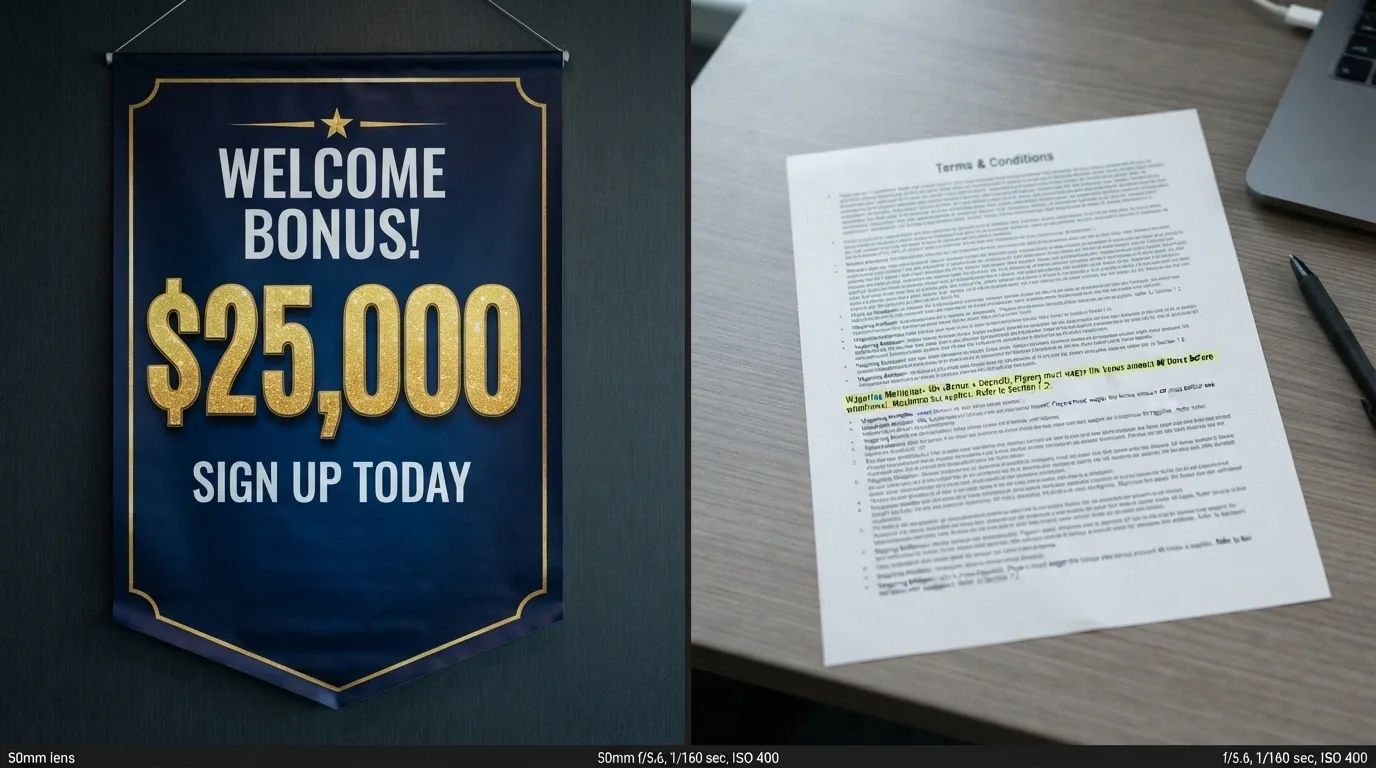
The gap between a standard welcome and a high-roller offer is not a marketing distinction. It is a different deposit threshold, a different match percentage, and sometimes — as with SkyCrown’s A$1,500 minimum and Rocket Play’s A$500 high-roller track — a different product entirely. Most of these bonuses come with a fixed validity window. Rocket Play gives the player five days from activation, and the wagering requirement must be cleared in that period. Bonus validity windows force rapid play, and rapid play is where a punter’s edge over the house — the rare sessions where a player holds a meaningful short-term advantage — gets burned through fastest.
No-deposit high roller bonuses: rare, small, and hard to clear
A no-deposit bonus is, by definition, a small offer. The cap on winnings — what a player can actually withdraw from bonus play — is usually a fraction of what a deposit-gated welcome bonus would permit. Rainbet’s promo-code winnings are capped at A$50, and its affiliate and promo-code balance transfers are also capped at A$50. Royal Reels carries a no-deposit chip with a max-cashout cap shown at the point of activation. No checked operator on this page currently offers a no-deposit bonus built for high-roller stakes — that is not an oversight in the research, it is a structural feature of the product.
A no-deposit offer for a high roller is a contradiction. The product is built for low-stakes acquisition: a casino hands a player a few dollars, lets them spin a few reels, and hopes the experience converts them into a depositing customer. The maximum cashout cap, the high wagering multiple and the restricted game list are all designed to make the bonus hard to clear and to limit what a player can extract if they do. A high roller depositing A$2,000 will not be served a no-deposit bonus; the operator saves the marketing spend for a deposit-gated offer whose terms are calibrated to the deposit. The terms reflect that: where a no-deposit bonus does appear in the research, it carries the tightest cashout ceiling on the page.
Free spins for high rollers: volume over value
Free spins are the standard sweetener on Australian-facing welcome packages. Royal Reels attaches 50 free spins at A$0.20 per spin — A$10 of nominal face value — to its three-deposit welcome. Rocket Play attaches 100 free spins on Aztec Magic (BGaming), released at 20 per day for five days. Bizzo’s welcome package carries 175 free spins. VegasNow’s 100% match includes 200 free spins. SkyCrown’s standard welcome package — separate from the high-roller bonus — includes 350 free spins across the first deposits. Rainbet’s free spins land on Sweet Bonanza (Pragmatic Play), with 40x wagering applied to spin winnings.
The arithmetic on free spins is unforgiving. At A$0.20 per spin, even 350 spins return a face value of A$70 before any result of the spin is counted. The wagering attached to spin winnings is what eats the upside: at 40x, a A$50 spin payout needs A$2,000 in turnover before it can be withdrawn, and the expected cost of that turnover at a 96% RTP game is roughly A$80 in house edge. The free spin is not the incentive. The deposit-gated match is the incentive, and the free spins are a retention tool bolted on. Game restrictions narrow the field further: free spins are almost always locked to one or two titles, and the punter does not get to choose which games contribute to wagering at what rate. For a high roller, the volume of free spins rarely matters. The match percentage and the wagering multiple do.
Wagering requirements: the multiplier that eats your bonus
The wagering multiple is the single most important number in any bonus offer, and it varies widely across the featured set. Royal Reels and VegasNow sit at 35x bonus-only, the cleanest structure in the group: only the bonus amount is multiplied by the wagering factor, so a A$1,000 bonus at 35x demands A$35,000 in turnover, not A$70,000. Rocket Play, SkyCrown, Bizzo and Rainbet run 40x, which becomes A$40,000 in turnover on a A$1,000 bonus. NeoSpin’s 50x per tranche on its 400% match is the heaviest in the group, and the multiplier compounds across the deposit structure. Bonus-only wagering is materially cheaper for the player than bonus-plus-deposit wagering, because the same multiple applies to a smaller base.
Max-bet caps during wagering further slow the high roller down. The standard cap across the Australian-facing market is A$5 per spin, which means a high roller used to betting A$50 or A$100 a hand has to play twenty to a hundred times as many hands to clear the same bonus. VegasNow stands out by setting the cap at A$10, doubling the pace at which a high-stakes player can move wagering through. Royal Reels and NeoSpin sit at A$5. Bizzo caps at A$6.50. Rocket Play’s A$7.50 sits in the middle. Rainbet uses a percentage of the deposit amount rather than a fixed cap, which scales with the deposit but still bites at higher stakes. For a punter clearing a A$5,000 bonus at a A$5 max bet, the turnover is 1,000 individual bets; at a A$10 cap, the same turnover is 500 bets. The cap is the pace at which a player gets their money out, and the difference between a A$5 cap and a A$10 cap is the difference between clearing the bonus in a long session and clearing it in a short one.
What a high roller casino actually is in 2026
A “high roller” is not defined by a single deposit size. The label is applied by operators to anyone who deposits more than the median customer, and the median customer is usually a small-stakes recreational player. The bracket that genuinely matters is the one the operator’s VIP structure recognises: a tier with cashback, a dedicated account manager, higher withdrawal limits and table limits that match the player’s usual stake. The threshold varies by operator. SkyCrown’s high-roller bonus opens at A$1,500 minimum deposit. Rocket Play’s high-roller track opens at A$500. SpinBoss, on the broader market, opens its high-roller track at A$200 — a much lower bar, and one that suggests the operator’s definition of “high roller” is more generous than SkyCrown’s. Across the featured set, a high roller is anyone who deposits enough to clear the standard welcome bonus’s wagering in a few sessions and expects the operator to recognise that volume with something other than a generic reload offer.
The Australian context makes the definition sharper. Online casino is prohibited under the IGA 2001, so the “high roller” market in Australia is not served by any locally regulated product. The land-based high-roller rooms at Crown and The Star exist, but they exist in a different regulatory environment, with different comp structures, different credit policies and different recourse if a dispute arises. Online, the punter deposits at a Curaçao-licensed operator, plays under the operator’s house terms, and has no Australian complaints body to turn to if the operator refuses a withdrawal. Being a high roller in this market means being a high-stakes customer at a brand that does not have to treat Australian players well to stay in business — because the brand is not licensed in Australia and does not need to be.
The high roller definition: stakes, VIP tiers and what separates the bracket
VIP programmes at offshore casinos share a common shape: a tier system, points awarded per wagered amount, and rewards that escalate as the tier escalates. The first marker of a genuine programme is cashback, not comp points. Comp points that convert to bonus credit at 100x wagering are theatre; cashback that pays real money on net losses is a programme. The second marker is the withdrawal ceiling. Operators that cap withdrawals at A$2,000 per week are not high-roller venues, regardless of how they market their VIP tiers. Operators that allow withdrawals above A$10,000 per transaction are. The third marker is live-dealer table access at the stakes a high roller actually plays. A live-dealer table with a A$500 maximum bet is a standard table with a marketing label. A live-dealer table with a A$5,000 or A$10,000 maximum bet is a high-roller product.
NeoSpin’s VIP programme negotiates crypto withdrawal limits above the standard A$5,000 per week PayID cap for VIP-level players, which is the kind of structural concession that signals a real high-roller product rather than a rebadged standard offer. The rest of the featured set, on the research available, does not publish VIP terms in comparable detail. The qualitative shape of a genuine high-roller programme is the same across the market: a tier structure with cashback, a named contact for the top tier, a withdrawal ceiling that does not force the punter to wait three weeks for a single win, and live-dealer tables with limits that match the player’s usual stake. The quantitative differences between operators are real, and they live in the fine print.
Online vs land-based: why Australian high rollers moved offshore
The Australian land-based high-roller market is concentrated at Crown Melbourne, Crown Perth, The Star Sydney and The Star Gold Coast. These venues offer dedicated high-roller rooms with baccarat, blackjack and roulette at limits the average casino floor does not. They offer comps — accommodation, dining, entertainment — that a high-volume player earns through tracked play. They offer credit lines to qualified customers, and they offer recourse through the state regulator if a dispute arises. They do not, however, offer online casino. The Interactive Gambling Act 2001 prohibits the provision of online casino games to a person in Australia, and the licensed Australian wagering market is limited to pre-event race and sport wagering, lotteries and keno.
The offshore market filled the gap. Australian high rollers who wanted to play online casino moved to operators licensed in Curaçao, Malta and other jurisdictions that do not restrict Australian customers. The trade-off is structural. Offshore operators do not offer comps tied to tracked play at a land-based venue. They do not offer credit lines backed by a relationship manager who knows the customer. They do not offer recourse through an Australian regulator. What they offer is access to a product that is otherwise unavailable, with bonus terms that are calibrated to a global market rather than to Australian consumer law. The punter’s deposit clears, the games run, and the withdrawal either arrives on time or it does not — and if it does not, the only available complaint is to the operator itself, or to a Curaçao-based dispute process that is not designed for an Australian customer in a hurry.
The Australian high roller landscape: banned at home, served from abroad
Every high-roller casino available to an Australian player operates outside Australian law. The IGA 2001 targets the provider, not the player — the individual punter is not prosecuted for using an offshore casino. But the use of an offshore casino carries a cost the marketing does not name. There is no Australian consumer protection. There is no ACMA complaints body that can force a payout. There is no BetStop coverage, because BetStop excludes a person from approximately 150 licensed Australian wagering services and zero offshore casinos. There is no recourse under Australian law if the operator refuses a withdrawal or closes the account, and the site can be blocked by the ACMA at any time, with a balance still on it.
The scale of the offshore market serving Australian players is large enough that the ACMA’s enforcement has been a permanent project rather than a one-off intervention. Since November 2019, the ACMA has had 1,564 illegal gambling and affiliate websites blocked, and more than 225 illegal services have withdrawn from the Australian market since 2017. Yet the marketing continues, the affiliate sites continue to rank, and the high-roller bonus offers continue to land in inboxes and on comparison pages. The net effect is a parallel market: a licensed Australian market for race and sport wagering, lotteries and keno, and an offshore market for online casino that the regulator cannot shut down and does not target individual players within. The punter moves between the two at their own discretion, and the risks of the offshore side are borne entirely by the player.
10 high roller casino bonuses for Australians in 2026, compared
The table below compares the ten featured operators on the dimensions that carry real data. Cells where the research did not publicly confirm a value are marked “n/a” rather than guessed at.
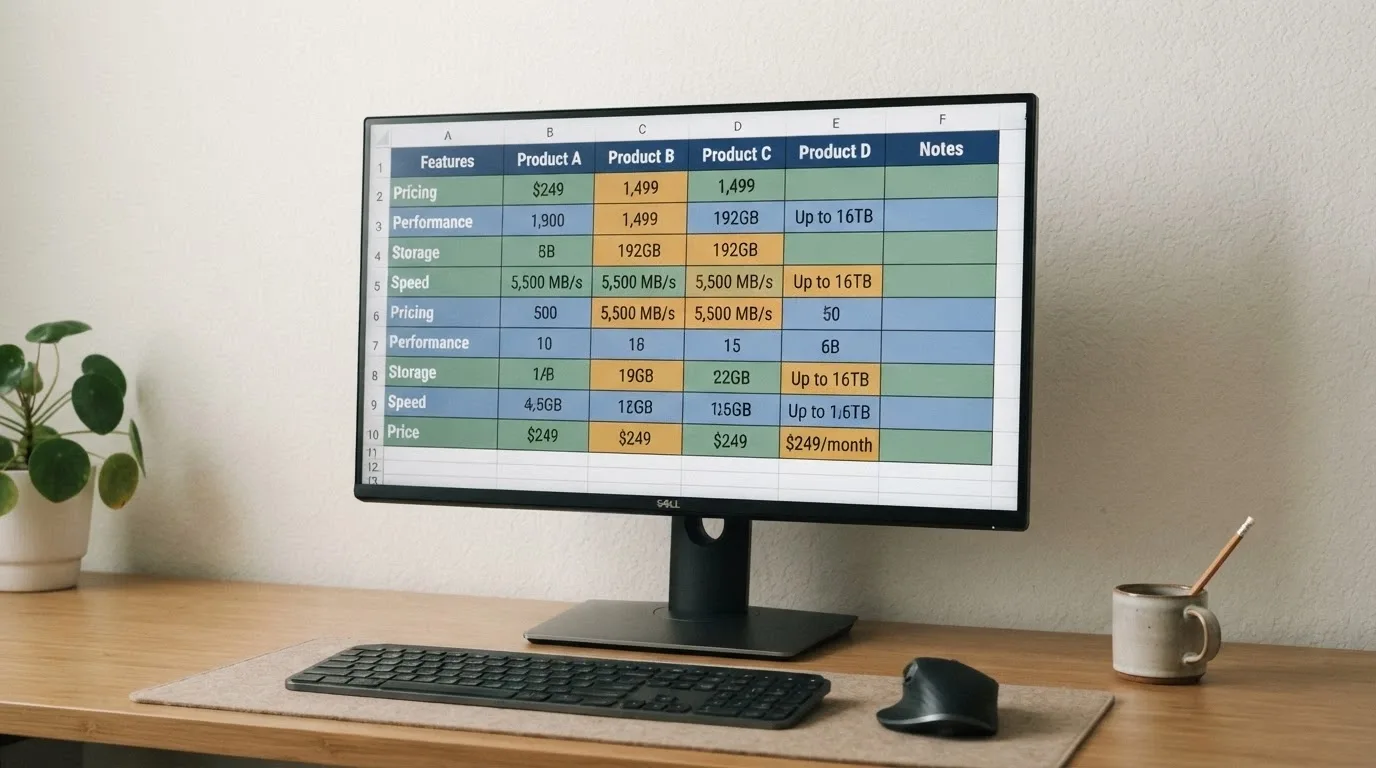
| Operator | Licence / Status | Welcome Bonus | Wagering | Max Bet During Wagering | Free Spins |
|---|---|---|---|---|---|
| Rocket Play | Curaçao (sub-licence not confirmed) | 100% up to A$1,000 (standard); 125% up to A$5,000 (high-roller track from A$500) | 40x | A$7.50 | 100 on Aztec Magic (20/day for 5 days) |
| SkyCrown | Curaçao (sub-licence not confirmed) | 50% up to A$3,000 (high roller, A$1,500 min deposit); up to A$3,000 + 350 FS standard welcome | 40x (high roller); 30x–35x (standard) | A$10 (high roller track) | 350 across standard welcome |
| Royal Reels | Curaçao (sub-licence not confirmed) | 3 deposits up to A$2,500 + 50 FS | 35x (bonus only) | A$5 | 50 at A$0.20 per spin |
| Stake | Curaçao (sub-licence not confirmed) | n/a — rakeback / VIP model, no traditional welcome bonus | n/a | n/a | n/a |
| Bizzo Casino | Curaçao (8048/JAZ2017-067) + Kahnawake | 4-deposit package up to A$7,750 + 175 FS | 40x | A$6.50 | 175 across package |
| NeoSpin | not confirmed this run | 400% up to A$10,000 | 50x (per tranche) | A$5 | n/a |
| VegasNow | not confirmed this run | 100% up to A$3,000 + 200 FS | 35x (bonus only) | A$10 | 200 |
| Fair GO | Curaçao (sub-licence not confirmed) | 100% up to A$200 × 5 deposits (A$1,000 total) | n/a | n/a | n/a |
| Rainbet | Curaçao (Gaming Curaçao 365/JAZ — transitional) | First deposit bonus (A$30 min, A$700 max deposit) | 40x | 2% of deposit | on Sweet Bonanza (Pragmatic Play) |
| WinSpirit | Curaçao (sub-licence not confirmed) | n/a | n/a | n/a | n/a |
The profiles below go beyond the table cells. Where research confirmed a value, the profile carries the figure. Where research did not, the profile says so plainly.
Bizzo Casino
Bizzo carries the widest welcome package of the featured set: a four-deposit structure totalling up to A$7,750 plus 175 free spins, with the first deposit offering 125% up to A$2,500 for deposits of A$500 or more. Smaller first deposits take a 50% to 75% match. Wagering is 40x on the bonus amount, max bet during wagering is A$6.50, and the withdrawal limit is up to AU$100,000 per transaction — the highest single-transaction cap in the group and the number that most clearly marks Bizzo as a high-roller venue rather than a recreational product.
The licence is dual. Bizzo operates under TechSolutions Group N.V., with a Curaçao Gaming Control Board licence (8048/JAZ2017-067) and a Kahnawake Gaming Commission licence. The dual licence is a real signal of operator seriousness, though neither is a substitute for Australian regulation. The game library is 3,000+ titles from 70+ providers, which gives the punter the breadth a high-roller session needs. For a high roller prioritising a fast payout ceiling, Bizzo is the operator whose structural numbers most closely match the marketing — the A$100,000 per-transaction cap is the only number in the group that lets a five-figure win leave in one withdrawal.
NeoSpin
NeoSpin’s headline is 400% up to A$10,000 — the largest match percentage in the tested group. At this bonus level, the required turnover is substantial, and the expected cost is significant. The bonus is not A$10,000 in the punter’s pocket. It is A$10,000 in matched credit, with a heavy wagering requirement to clear before any of it can be withdrawn.
The catalogue is large — 7,000+ pokies — and the VIP programme negotiates crypto withdrawal limits above the standard A$5,000 per week PayID cap. The licence status was not confirmed this run, which is a meaningful gap. The headline offer is the most aggressive in the group; the operator’s regulatory standing is the least confirmed. For a punter who values game library depth and who is comfortable with crypto at the cashier, NeoSpin’s product is the largest on the page. For a punter who values licence transparency, the absence of a confirmed regulator is its own answer.
SkyCrown
SkyCrown is the only operator in the set with a dedicated high-roller bonus tier at a A$1,500 entry point — separate from the standard welcome, and with its own terms. The high-roller bonus is 50% up to A$3,000, with 40x wagering and a A$10 max bet during wagering, which is the structural concession that most clearly differentiates SkyCrown from competitors that cap at A$5. A punter clearing a A$3,000 bonus at A$10 per spin puts through 12,000 spins; at A$5 per spin, the same volume is 24,000 spins. The cap is the pace.
The standard welcome is up to A$3,000 plus 350 free spins, with weekly reloads and cashback on top. Licence details for this operator remain unconfirmed. For a punter whose deposit level puts them in SkyCrown’s high-roller bracket — A$1,500 minimum to enter — the offer is well-calibrated: a 50% match rather than 100%, but with a higher cap and a higher max bet, which suits the player who would otherwise have been capped at a lower stake throughout the wagering period. This structure specifically caters to the high-stakes punter rather than simply rebranding a generic welcome offer.
Rocket Play
Rocket Play’s first-deposit bonus is 100% up to A$1,000 with 100 free spins, 20 per day for five days on Aztec Magic (BGaming). The high-roller track is 125% up to A$5,000 on deposits from A$500 — a doubling of the match percentage at a higher cap, with a A$500 entry threshold that sits well below SkyCrown’s A$1,500. Wagering is 40x, max bet during wagering is A$7.50, and bonus validity is five days. The five-day window is the tightest on the page and the structural fact that a high-volume punter should weigh before activating.
The max cashout from bonus is A$5,000, which caps the upside of a bonus win regardless of how the wagering goes. A punter who runs hot and turns a A$1,000 bonus into a A$20,000 balance cannot withdraw A$20,000 — the A$5,000 cap kicks in. For a recreational player, the cap rarely binds. For a high roller, it is the number that defines whether the bonus is worth the time. Licence information is pending verification. The five-day validity and the A$5,000 cashout cap are the primary constraints, but the high-roller track remains the standout feature.
VegasNow
VegasNow’s welcome is 100% up to A$3,000 plus 200 free spins, with 35x bonus-only wagering and a A$10 max bet during wagering. The A$10 cap is the high-roller differentiator — it is the only cap in the group that lets a high-stakes player move wagering through at twice the pace of competitors sitting at A$5. The minimum deposit is A$20, the lowest in the group, and the bonus-only structure means a A$3,000 match requires A$105,000 in turnover rather than A$210,000.
The licence was not confirmed this run, which is a meaningful gap. For a punter whose bottleneck is the speed at which they can clear wagering, VegasNow’s combination of 35x bonus-only and a A$10 max bet is the fastest-clearing structure on the page. For a punter whose bottleneck is the certainty that the operator will pay out, the absence of a confirmed licence is the counterweight. While the licence status remains unverified, the wagering structure is arguably the most efficient for clearing a bonus.
Royal Reels
Royal Reels’ welcome package is the most modest in dollar terms. The first deposit is 100% up to A$500; the second is 75% up to A$750; the third is 100% up to A$1,250. The total is A$2,500 plus 50 free spins at A$0.20 per spin. Wagering is 35x bonus only — clean, comparable to VegasNow — and the max bet during wagering is A$5 per spin. The no-deposit chip carries a max-cashout cap shown at activation.
Licence status is pending. For a punter who wants a straightforward three-deposit welcome with bonus-only wagering, Royal Reels is the cleanest small-offer option on the page. The dollar total does not match the headline-grabbing numbers at NeoSpin or Bizzo, but the wagering structure and the absence of a percentage-of-deposit max bet make it a more predictable cost. The verdict: modest but transparent, and the A$0.20 free spin value is the lowest in the group.
Stake
Stake does not run a traditional welcome bonus. The platform’s positioning is the rakeback and VIP programme: a structure that returns a percentage of the house edge to the player over time, rather than a one-off matched deposit. For a high-volume punter whose session volume is the source of value, the rakeback model is mathematically cleaner than a deposit bonus with a 40x wagering lock. For a punter who wants a single, predictable headline figure to claim on day one, there is nothing here to claim.
This operator operates without a verified sub-licence. Game providers include Pragmatic Play and Hacksaw Gaming, and the platform is crypto-native. The verdict: the right product for the punter whose value is in long-term volume and who is comfortable with crypto, and the wrong product for anyone whose mental model of a casino bonus is a deposit match. The absence of a traditional welcome is not an oversight; it is a different product with a different cost structure.
Fair GO
Fair GO’s welcome is 100% up to A$200 on each of the first five deposits, totalling A$1,000 in bonus cash. The withdrawal limit is A$7,500 per week — the tightest ceiling in the group and the number that defines what the operator is built for. A punter clearing a A$1,000 bonus and then winning A$20,000 on the wagering cannot withdraw A$20,000 in one transaction; the A$7,500-per-week ceiling forces a multi-week payout. For a recreational player, the ceiling rarely binds. For a high roller, it is the single most disqualifying number on this page.
Wagering, max bet during wagering, bonus validity and free spins were not confirmed this run. Regulatory details were also unavailable at the time of writing. The verdict: the smallest headline offer and the tightest withdrawal ceiling in the group. The structure is built for a smaller-stakes customer than the rest of the featured set, and a high roller reading this page should weigh that gap before depositing.
Rainbet
Rainbet’s first-deposit bonus is a wagering lock of 40x, with a minimum deposit of A$30, a maximum deposit of A$700, a max bet of 2% of the deposit amount, and free spins on Sweet Bonanza (Pragmatic Play). The welcome promo-code winnings are capped at A$50, and affiliate and promo-code balance transfers are also capped at A$50. The A$50 cap is the tightest number on the page, and it sits in a bonus structure whose headline is the standard “100% match” claim that every other operator in the group uses.
The licence is Curaçao (Gaming Curaçao 365/JAZ), and the framework is being phased out under updated Curaçao rules — a transitional regulatory status that is its own signal. The maximum deposit of A$700 means a punter cannot, in any case, deposit the kind of money that a high-roller bonus usually requires. The verdict: a tight offer built around a promotional code structure with a cashout ceiling that disqualifies it as a high-roller product. The 2%-of-deposit max bet is unusually restrictive; even a small deposit caps the wagering pace.
WinSpirit
WinSpirit is the operator with the least publicly available data. The licence is Curaçao, the specific sub-licence was not confirmed this run, and the welcome bonus, wagering requirement, max bet during wagering, bonus validity, free spins, max cashout from bonus and game provider list were not confirmed this run. The information gap is the signal. A punter cannot compare WinSpin’s offer on the same dimensions as the rest of the group because the operator has not, on the research available, published the terms that the comparison needs.
The verdict: until WinSpirit publishes the terms the comparison requires, a high roller cannot evaluate it on the same footing as the other nine operators. The licence status is consistent with the rest of the group; the absence of confirmed terms is not. A punter who values verifiable conditions before depositing should treat the absence of terms as a reason to verify directly with the operator before committing funds.
High roller pokies and games worth your stake in 2026
Game choice is the only variable a high roller controls. The bonus terms are published and fixed; the wagering is mechanical; the withdrawal ceiling is structural. The game the punter plays is the variable where a 0.5 percentage point difference in return to player compounds over thousands of spins. The table below covers six titles with published RTPs above 96%, the provider behind each, and the volatility and maximum win where research confirmed them.
High RTP pokies: the titles where the house edge shrinks
| Slot Title | RTP | Provider | Volatility | Max Win |
|---|---|---|---|---|
| Razor Shark | 96.70% | Push Gaming | Extreme volatility | 50,000x (headline); records above 85,000x |
| Gates of Olympus | 96.50% | Pragmatic Play | High volatility | 5,000x |
| Big Bass Bonanza | 96.71% | Pragmatic Play | High volatility | 2,100x |
| Gates of Olympus 1000 | 96.50% | Pragmatic Play | High volatility | 15,000x |
| Danger! High Voltage | 96.18%–96.39% | Big Time Gaming | High volatility | 39,620x |
| Mega Fortune | 96.6% | NetEnt | — | 2,162x (base game) |
The arithmetic on a 0.5 percentage point RTP gap is the reason this table exists. A A$10 wagered 10,000 times is A$100,000 in turnover. At 96.7% RTP, the expected return is A$96,710; at 96.2% RTP, the expected return is A$96,200. The difference is A$510 in expected cost on a single A$100,000 of play. Scale that to a high-roller session that runs A$500,000 through the games and the difference between the highest and lowest RTP on the table is A$2,650. The gap between titles is real money.

Razor Shark (Push Gaming) and Big Bass Bonanza (Pragmatic Play) lead the table on return to player, at 96.70% and 96.71% respectively. Gates of Olympus and Gates of Olympus 1000 (Pragmatic Play) sit at 96.50%, lower than the leaders but with a pay-anywhere structure and multiplier orbs up to 500x on the original and 1,000x on the 1000 variant. Danger! High Voltage (Big Time Gaming) carries the widest RTP range on the table — 96.18% to 96.39% — because the game has two bonus modes (Safecracker and Gates of Hell) with different RTPs, and the operator chooses which mode is active. Mega Fortune (NetEnt) is the only progressive jackpot in the table, with a triple Jackpot Bonus Game and a 2,162x base-game max win.
Progressive jackpots and high-volatility slots: the games built for big bets
High volatility and progressive jackpots are the games where the life-changing wins live — and where bankroll management matters most. Razor Shark’s max win is officially 50,000x, with records above 85,000x on the upper end. The game runs 5 reels by 4 rows with 20 fixed paylines, released 2019, and the variance is extreme. A high roller spinning at A$10 per spin is exposed to long losing runs punctuated by the rare bonus round that pays 1,000x or more. The expected cost of the volume is the same as a low-volatility game at the same RTP, but the path to it is much rougher.
Gates of Olympus 1000 (Pragmatic Play) carries a 15,000x max win, with up to 1,000x multipliers on individual symbols and a pay-anywhere structure that does not require paylines. The original Gates of Olympus tops out at 5,000x with 2x to 500x multiplier orbs. Danger! High Voltage (Big Time Gaming) carries a 39,620x max win, with 4,096 ways to win and two distinct free-spin modes — the choice of mode affects the RTP, which is why the range on the table is 96.18% to 96.39%. Mega Fortune (NetEnt) is the progressive jackpot game in the group, and the headline figure is the Jackpot Bonus Game rather than the base-game max win of 2,162x. The progressive element means the actual ceiling on any given spin is set by the current jackpot pool rather than the published max win.
For a high roller, the gravitational pull of these titles is the variance. A 5,000x max win on a A$10 spin is A$50,000 on a single outcome, and that outcome has the same probability regardless of the bet size — but the bankroll required to reach it scales with the bet. High-volatility titles punish the punter who arrives with a small bankroll and rewards the punter who can absorb the dry spells. Bankroll management is the discipline that separates a high-roller session from a recreational one.
Live dealer tables: high-limit play for Australian high rollers
The high-roller live dealer segment is defined by table limits, not by game type. A live blackjack table with a A$500 maximum bet is a standard table dressed up; a live blackjack table with a A$10,000 maximum bet is a high-roller product. The threshold that separates the two is the size of the bet the operator will accept from a single customer on a single hand, and the operators that publish their live-dealer table limits are the ones that genuinely serve the high-roller market. The operators that market “VIP live dealer” without publishing limits are the ones whose VIP language is comp-point theatre.
The featured set does not publish per-operator live-dealer limits in the research available, so the comparison cannot run at the operator level. The qualitative benchmark is: a high-roller live-dealer product offers blackjack, roulette and baccarat at limits that match the player’s usual stake, with a dedicated table or a private room at the top tier. Pragmatic Play Live and Evolution Gaming are the dominant providers in this segment, and most offshore operators carrying high-roller live dealer will carry one or both. The A$500-per-hand threshold is the floor of a genuine high-roller live product; A$5,000 and above is where the segment earns its label.
Playing on mobile: high roller casino apps and sites in 2026
No Australian high-roller casino has a native mobile app on the Australian App Store. The product those casinos offer is prohibited under the Interactive Gambling Act 2001, and Apple’s App Store and Google Play enforce the prohibition by refusing to list casino apps for Australian customers. The delivery mechanism is therefore the mobile web browser, and the experience is a responsive casino site that runs in Safari, Chrome or any other browser the punter chooses.
The mobile web product at the featured operators handles the full game library and the full cashier. Slots, live dealer, account management, deposit and withdrawal — every feature of the desktop site is available on a phone, and the live dealer tables in particular run more reliably in a mobile browser than they do on a desktop with a slow connection. For a high roller whose sessions are split between desktop and phone, the absence of a native app is a real difference from the licensed Australian wagering market, where Sportsbet, bet365 and the other major bookmakers do ship native apps. The trade-off is structural: the product is offshore, and offshore products do not get listed in Australian app stores.
The login experience is the same as the desktop. The cashier runs in browser. The free spins and bonus activation flow through the same account. What a high roller loses in the absence of a native app is biometric login, push notifications for reload bonuses and the ability to install a single icon on the home screen. What the punter gets in return is the full offshore product on a phone, with no App Store gatekeeper to navigate.
Getting money in and out: payments for Australian high rollers
The payment method an Australian punter uses is itself a signal of whether the operator is inside or outside the Australian rules. Credit cards, credit-related products and digital currency (crypto) are banned as payment for online wagering in Australia, with the prohibition commencing 11 June 2024 under the Interactive Gambling Amendment (Credit and Other Measures) Act 2023. An operator that fails to enforce the ban faces penalties of up to A$247,500. The legal deposit routes for licensed Australian wagering are debit card, bank transfer, PayID/Osko and BPAY. An Australian who is asked for a credit card or a crypto deposit is being served by an operator outside the Australian rules.

The offshore operators on this page accept payment methods that licensed Australian wagering does not. Most accept crypto. Several accept credit cards, which is itself a flag — a licensed Australian operator cannot legally accept one. The punter’s choice of payment method is therefore also a choice about which regulatory environment the transaction is happening in. PayID, bank transfer and BPAY route through the Australian banking system, where the 11 June 2024 ban does not apply to non-credit instruments and where the bank’s own transaction-monitoring applies. Crypto routes through a separate network, with no Australian consumer protection, no bank recourse and no chargeback right. The payment method is the regulatory perimeter, and the punter chooses which side of it to be on.
PayID and bank transfer: the paths that work from Australia
PayID delivers near-instant AUD deposits through the New Payments Platform, and it is the fastest legal route for an Australian punter to fund a casino account. The per-transaction limit is set by the receiving bank, typically around A$10,000; most Australian banks apply a daily transfer limit of A$20,000 to A$50,000 for outgoing PayID. For a high roller looking to move A$20,000 into a casino in a single day, the limit is the bank’s, not the casino’s, and a bank transfer is the high-value alternative for amounts above the PayID ceiling.
Bank transfer clears through the standard banking system and carries the longest processing time of the legal routes, but the per-transaction ceiling is far higher than PayID, and the route is unambiguously legal. The punter’s bank applies its own transaction-monitoring, and from 1 January 2027, banks and payment providers gain express authority under the 2026 reform to block transactions to illegal gambling operators — a power that the banks do not currently have to use routinely, but which signals the direction the regulatory perimeter is moving. The trade-off is speed: PayID is near-instant, bank transfer is one to three business days, and the punter chooses the speed of funding against the risk that the bank declines the transaction or, after 1 January 2027, blocks it.
Crypto casinos: the anonymity trade-off for Australian players
Crypto bypasses the Australian payment bans — and bypasses every Australian consumer protection with it. Bitcoin, Ethereum and the other major cryptocurrencies are not subject to the 11 June 2024 ban on credit and crypto payments for licensed wagering, because the ban applies to operators licensed in Australia, and the operators accepting crypto are not. The transaction clears on a blockchain, with no bank in the middle, no chargeback right and no Australian complaints body to appeal to if the operator refuses the withdrawal. The anonymity is the value proposition, and the anonymity is also the cost.
Several operators on the page accept crypto. NeoSpin negotiates crypto withdrawal limits above the standard A$5,000 per week PayID cap at VIP level — a structural concession that the PayID side does not match. Stake is crypto-native. Rainbet, Royal Reels, Bizzo and others accept crypto to varying degrees, though the specifics of which currencies and at what limits are not confirmed across the full set. For a punter whose priority is anonymity and who accepts the loss of Australian consumer protection, crypto is the offshore workaround. For a punter who values recourse if a withdrawal is delayed, crypto is the worst possible choice — the bank cannot reverse a blockchain transaction, and the ACMA cannot compel a Curaçao-licensed operator to release funds.
Withdrawal caps: the number that defines a high roller casino
The withdrawal cap is the most important number a high roller checks before depositing, and the range across the featured set is wide. Bizzo’s AU$100,000 per-transaction cap is the highest in the group and the only one that lets a five-figure win leave in a single withdrawal. Fair GO’s A$7,500 per week is the tightest in the group and the one that disqualifies it as a high-roller product regardless of the welcome bonus. NeoSpin’s standard PayID withdrawal is capped at A$5,000 per week, with crypto withdrawals negotiable above that at VIP level. Most of the rest of the group sits in the A$10,000 to A$50,000 per-transaction range, though the research does not confirm a per-operator figure for every operator on the page.
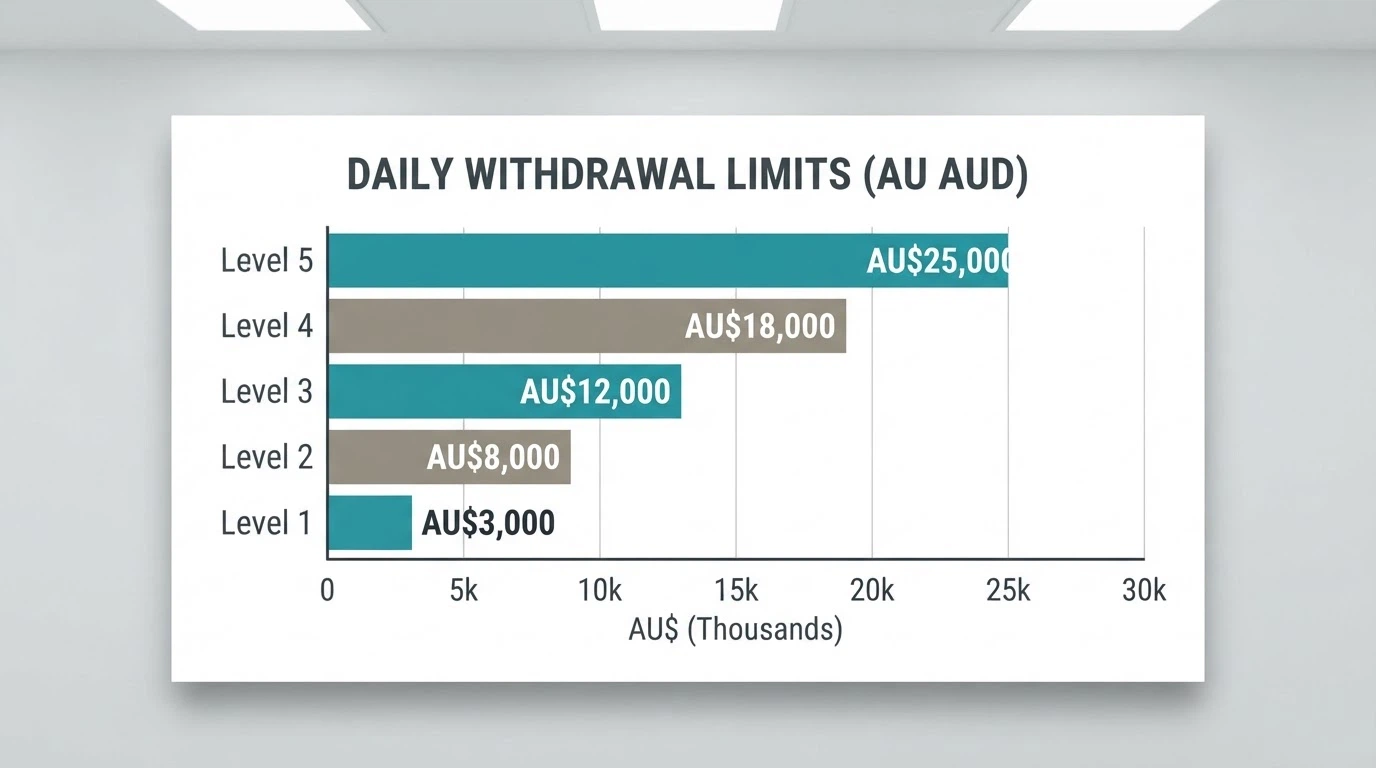
The marker of a genuine high-roller casino is a withdrawal ceiling above A$10,000 per transaction, and the operator-by-operator range is the gap between Fair GO’s A$7,500 weekly cap and Bizzo’s A$100,000 per-transaction cap. A punter who wins A$20,000 at Fair GO waits three weeks to receive it; the same win at Bizzo clears in a single transaction. The cap is the single number that defines whether the operator is built for the customer’s stake level, and the punter should confirm the cap directly with the operator before committing a deposit that the cap would render unplayable.
No Australian casino licence exists — what that means for high rollers in 2026
The Interactive Gambling Act 2001 makes the provision of online casino games, online pokies and in-play sports betting to a person in Australia an offence. The federal ACMA enforces the prohibition. There is no Australian online casino licence — not federally, not in any state or territory — because the law prohibits the activity that a licence would authorise. The products that ARE licensed are pre-event wagering on races and sport, lotteries and keno, all through state or territory-licensed operators, with the Northern Territory Racing and Wagering Commission as the de facto national licensor for the larger online bookmakers.
Every operator on this page is offshore. None holds an Australian online casino licence, because none can exist. The ACMA’s enforcement has been permanent: 1,564 illegal gambling and affiliate websites blocked by Australian ISPs as of March 2026, more than 225 illegal services withdrawn from the Australian market since 2017. The 2026 reform — the Interactive Gambling Amendment (Gambling Reform) Bill 2026, passed 19 August 2026 with measures commencing 1 January 2027 — tightens the perimeter further with advertising restrictions, an AdStop opt-out register, inducement marketing bans and express bank authority to block transactions to illegal operators.
The Interactive Gambling Act: why online casino is prohibited in Australia
The IGA 2001, as amended by the Interactive Gambling Amendment Act 2017, prohibits the provision of online casino, online pokies and in-play sports betting to a person in Australia. What is licensed is wagering on races and sport placed before the event begins, lotteries and keno — all through state or territory-licensed operators. The federal regulator is the ACMA, and the ACMA’s enforcement tools include site-blocking requests to Australian ISPs, formal warnings, infringement notices, civil penalty orders and, in the most serious cases, criminal prosecution. Since the first blocking request in November 2019, the ACMA has had 1,564 sites blocked. The pace has not slowed.
The 11 June 2024 credit and crypto ban is a separate prohibition layered on top of the IGA. The Interactive Gambling Amendment (Credit and Other Measures) Act 2023 made it an offence for a licensed wagering operator to accept credit cards, credit-related products or digital currency as payment for online wagering, with penalties of up to A$247,500 for non-enforcement. The ban does not reach offshore operators directly, because the ban’s mechanism is to prohibit the Australian-licensed side of the transaction. The offshore operator that accepts crypto is not subject to the A$247,500 penalty; the punter using crypto is also not subject to it, but the punter is also outside the Australian consumer protection framework entirely.
Offshore casinos: what Australian protections you lose when you play
The list of protections a punter forfeits by playing at an offshore casino is long, and the loss is total. There is no Australian consumer protection. There is no ACMA complaints mechanism that can compel a payout. There is no BetStop coverage, because BetStop excludes a person from approximately 150 licensed Australian wagering services and zero offshore casinos. There is no recourse under Australian law if the operator refuses a withdrawal or closes the account, and the ACMA can block the site at any time, with a balance still on it. The site-blocking power is the most concrete risk: a punter with A$10,000 in a balance at a Curaçao-licensed offshore casino can wake up to a site that no longer resolves through an Australian ISP, with the operator’s terms of service as the only document governing what happens next.
The individual player is not prosecuted under the IGA. The Act targets the provider, and the enforcement record reflects that — the ACMA’s actions are against operators, not against the customers who use them. But the punter carries all the risk that the operator carries, plus the risk that the operator’s home regulator does not recognise an Australian complaint. A Curaçao licence is a real licence, and a Curaçao-licensed operator that refuses a withdrawal can in principle be pursued through Curaçao’s regulatory process — but the process is not designed for an Australian customer in a hurry, and the practical outcome of a dispute is usually a settlement that costs the punter more in time and effort than the disputed amount is worth.
The 2026 reforms: advertising caps, AdStop and bank blocking powers
The Interactive Gambling Amendment (Gambling Reform) Bill 2026 passed Parliament on 19 August 2026, and its measures commence on 1 January 2027. The package tightens advertising, restricts inducements, creates an opt-out register and gives banks the express authority to block transactions to illegal gambling operators. None of it legalises online casino. All of it makes the offshore market harder to access from Australia.
The advertising measures are the most visible. From 1 January 2027, wagering advertising is limited to no more than three ads per hour between 6:00 am and 8:30 pm, with a live-sport blackout from 15 minutes before a live sporting event until 5 minutes after it ends. Online ads are restricted to logged-in confirmed 18+ users who have not opted out of the new AdStop register. Inducement marketing — the bonus offers, the free bets, the sign-up credits — is prohibited for 14 days after a customer signs up and for three months after a person deregisters from BetStop. The structural effect is to make the offshore bonus offer harder to deliver to an Australian punter through licensed channels, which pushes the marketing further into the channels that the ACMA is already blocking. The bank-blocking power — express authority for banks and payment providers to block transactions to illegal gambling operators — is the lever that reaches the cashier directly. From 1 January 2027, a punter’s bank can decline a transaction to a Curaçao-licensed operator without further regulatory authorisation, and the practical effect is that offshore operators will find their deposit and withdrawal paths narrowing. The tax treatment on the punter side is unchanged: gambling winnings are not assessable income under section 6-5 of the ITAA 1997, and gambling losses are not deductible under section 8-1, unless the person is carrying on a business of betting or gambling.
Responsible gambling tools and help for Australian high rollers
The responsible-gambling infrastructure in Australia is built around licensed wagering, and the offshore casino market is outside it. The tools that work — deposit limits, cool-off periods, BetStop self-exclusion — apply to the approximately 150 licensed Australian online and phone wagering services. The offshore casinos on this page are not part of that system, and the punter using them is not protected by it. The reality is that the responsible-gambling conversation for an Australian high roller is a conversation about a system the punter is not using, with the helplines and support services that exist regardless of which product the punter plays.
The scale of the problem in Australia is large enough that the infrastructure exists for a reason. About 2.1% of Australian adults — roughly 430,000 people — experience problem gambling, and the Australian Institute of Health and Welfare put high-risk gambling at 1.8% in 2022. BetStop has recorded 67,480 registrations as at 31 July 2026, with 41,290 exclusions still active — over 60% of everyone who has ever registered. 78% of registrants were under 40, and 38% chose lifetime exclusion. The numbers are not abstract: the BetStop registration is one person, the helpline call is one call, the 2.1% prevalence is hundreds of thousands of Australians whose gambling is causing them harm.
Deposit limits, cool-off and self-exclusion: tools that work (and tools that don’t)
Licensed wagering operators are required to offer customer-set deposit limits — daily, weekly, fortnightly and monthly — under state and territory conditions. The punter sets the limit, the operator enforces it, and the limit applies across the licensed wagering product the punter is using. Cool-off periods and activity statements are also mandatory. BetStop — the National Self-Exclusion Register — excludes a person from approximately 150 licensed Australian online and phone wagering services in a single step, with self-exclusion periods ranging from 3 months to lifetime.
The critical gap is that none of this reaches offshore casinos. BetStop covers licensed Australian wagering services and zero offshore operators. A punter who self-excludes through BetStop can still open an account at Rocket Play, SkyCrown, Bizzo or any of the other operators on this page, because the offshore operator is not part of the system. The offshore operator may offer its own self-exclusion tool, but it is not connected to the Australian register, and the punter who wants the protection of BetStop does not get it on the offshore side. The honest reading: BetStop is the strongest single tool for a punter who wants to stop, and it does not cover the product most of the comparison on this page is about.
Where to get help: helplines, BetStop and support services
The National Gambling Helpline is 1800 858 858 — free, confidential, staffed 24 hours a day, 7 days a week, with online chat and counselling through Gambling Help Online at gamblinghelponline.org.au. The number is the one every Australian reader of this page should leave with, regardless of which operator they choose or whether they play at all. Lifeline crisis support is 13 11 14. BetStop self-exclusion registration is at betstop.gov.au. The prevalence figures are not editorial decoration: 2.1% of Australian adults, roughly 430,000 people, experience problem gambling, and the 1.8% high-risk figure from the Australian Institute of Health and Welfare’s 2022 study is the baseline against which the helpline infrastructure is sized. If this page is read by a punter who recognises themselves in those numbers, the right next step is the helpline, not a comparison of wagering requirements.
How we chose and evaluated these high roller casinos
The ten operators on this page were assessed against the same five criteria, applied uniformly. First, bonus terms: each operator’s welcome offer was checked directly against its published terms and conditions page, with the match percentage, cap, wagering multiple, max bet during wagering, bonus validity and free-spin structure transcribed as published. Second, wagering fairness: the wagering multiple was compared across the set, and the bonus-only versus bonus-plus-deposit structure was noted, because the structure determines whether a A$1,000 match requires A$35,000 or A$70,000 in turnover. Third, withdrawal caps: the per-transaction and weekly withdrawal limits were checked where published, and the absence of a published limit was noted as itself a signal. Fourth, VIP programme substance: the existence of cashback, the visibility of the tier structure and the presence of a dedicated contact at the top tier were the markers of a genuine high-roller programme versus a marketing label. Fifth, licence transparency: the licence was checked against the Curaçao Gaming Control Board’s public register where applicable, and the absence of a confirmed sub-licence was noted for every operator where research did not confirm one.
The operator universe was drawn from the offshore market accessible to Australian players, ranked by relevance to the high-roller bonus topic — largest bonuses, highest withdrawal limits and VIP programme depth — rather than by Australian market share, which is not a meaningful metric for a prohibited product. The licensed Australian wagering market was excluded from the ranking because the product is different: pre-event race and sport wagering, lotteries and keno, none of which is the high-roller casino bonus this guide focuses on. No invented weightings, percentages or star ratings were applied; the ranking is qualitative and editorial, and the comparison is between operators on the published terms.
Your high roller casino decision in 2026: the honest verdict
The best bonus is the one the punter can clear and withdraw. Every operator on this page is offshore; every bonus is a wagering target with a margin attached; every withdrawal is subject to an operator-defined ceiling that may or may not be high enough for the win the punter is hoping to clear. The page’s value is in the comparison, and the comparison’s value is in the structural facts: a A$10 max bet clears twice as fast as a A$5 cap, a 35x bonus-only multiple is cheaper than a 40x on the same base, and a A$100,000 per-transaction withdrawal ceiling is the only one in the group that lets a five-figure win leave in one transaction. The numbers that matter are the wagering multiple, the max bet, the bonus-only versus bonus-plus-deposit structure, and the withdrawal cap. The match percentage is the marketing; the rest is the cost.
The first decision is whether to play at all. Online casino is prohibited in Australia, and every operator on this page is outside Australian law. The IGA 2001 targets the provider, not the player, and the individual punter is not prosecuted — but the punter carries every risk that the offshore operator carries, plus the risk that the ACMA blocks the site with a balance on it, plus the risk that the operator’s home regulator does not recognise an Australian complaint. The legal reality is the baseline the whole page rests on, and it does not change because the bonus is large. The punter who decides to play offshore accepts that reality, and the comparison on this page is built to help the punter who has made that decision choose which offshore operator’s terms are least costly. The punter who has not yet decided should weigh the legal reality before the welcome offer.
The helplines and support services stay with the punter regardless of where they play. The National Gambling Helpline — 1800 858 858, free, confidential, 24/7 — is the one number every reader of this page should leave with, alongside Gambling Help Online at gamblinghelponline.org.au and BetStop at betstop.gov.au. The tools work for licensed wagering. The offshore market is outside them. The honest verdict is that the best bonus is the one the punter can clear, the one whose terms they have read, and the one they would walk away from if the wagering stopped being fun.
Frequently asked questions
How do VIP programmes at offshore casinos compare for Australian high rollers?
A genuine VIP programme at an offshore casino offers cashback on net losses, a tier structure with escalating rewards and a dedicated contact at the top tier. The marker of a real programme is cashback that pays real money, not comp points that convert to bonus credit at 100x wagering. NeoSpin negotiates crypto withdrawal limits above its standard A$5,000 per week PayID cap for VIP-level players. Most other operators in the featured set do not publish comparable VIP terms in the research available.
How long do withdrawals take at high roller casinos accepting Australian players?
Withdrawal speed at offshore casinos varies by payment method. Crypto withdrawals are typically the fastest, often clearing within 24 hours. PayID and bank transfer route through the Australian banking system and depend on the operator’s processing time, which is usually one to three business days. The processing time is the operator’s, not the payment method’s, and the punter should confirm the operator’s published withdrawal timeframe before depositing.
What is the maximum I can withdraw from a high roller casino in Australia?
The maximum withdrawal varies by operator. Bizzo’s cap is AU$100,000 per transaction, the highest in the featured set. Fair GO’s cap is A$7,500 per week, the tightest. NeoSpin’s standard PayID cap is A$5,000 per week, with crypto withdrawals negotiable above that at VIP level. Most other operators sit in the A$10,000 to A$50,000 per-transaction range, though not every operator publishes a confirmed figure. The withdrawal cap is the most important number a high roller checks before depositing.
Is BetStop connected to offshore casino sites?
No. BetStop, the National Self-Exclusion Register, excludes a person from approximately 150 licensed Australian online and phone wagering services in a single step. Offshore casinos are not part of the BetStop system. A punter who self-excludes through BetStop can still open an account at any of the offshore operators on this page, because the offshore operator is not connected to the Australian register. BetStop self-exclusion periods range from 3 months to lifetime, and registration is at betstop.gov.au.
What are the risks of playing at an offshore high roller casino from Australia?
The risks are: no Australian consumer protection, no ACMA complaints body to recover money, no BetStop coverage, no recourse under Australian law if the operator refuses a withdrawal or closes the account, and the site can be blocked by the ACMA at any time with a balance still on it. The IGA 2001 targets the provider, not the player, so the individual punter is not prosecuted, but the punter carries all the risk. Online casino is prohibited in Australia, and every operator accessible to Australian players is offshore.
Which high roller pokies have the highest RTP for Australian players?
Big Bass Bonanza (Pragmatic Play) carries the highest published RTP in the featured set at 96.71%, followed by Razor Shark (Push Gaming) at 96.70%, Mega Fortune (NetEnt) at 96.6%, and Gates of Olympus and Gates of Olympus 1000 (Pragmatic Play) at 96.50%. Danger! High Voltage (Big Time Gaming) ranges from 96.18% to 96.39% depending on the bonus mode the operator activates. The gap between the highest and lowest RTP on this list is 0.53 percentage points, which compounds to real money over a high-roller session.